Why does one team event stay in your head months later while another fades after a week? It's rarely about the budget or the program.
Psychologically, a few things anchor experiences: emotion, active participation, a shared goal, and a result you can hold in your hands. Sounds simple. It is. But it's still often overlooked.
Experiencing things simultaneously creates a sense of "we"
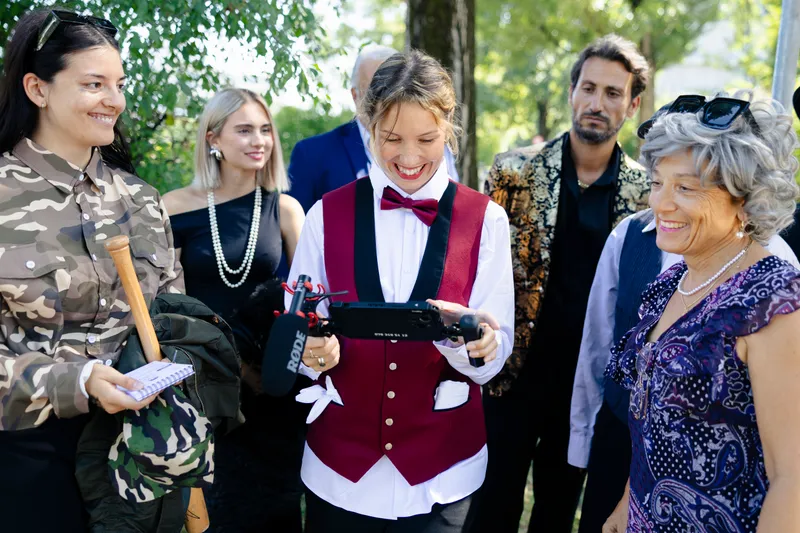
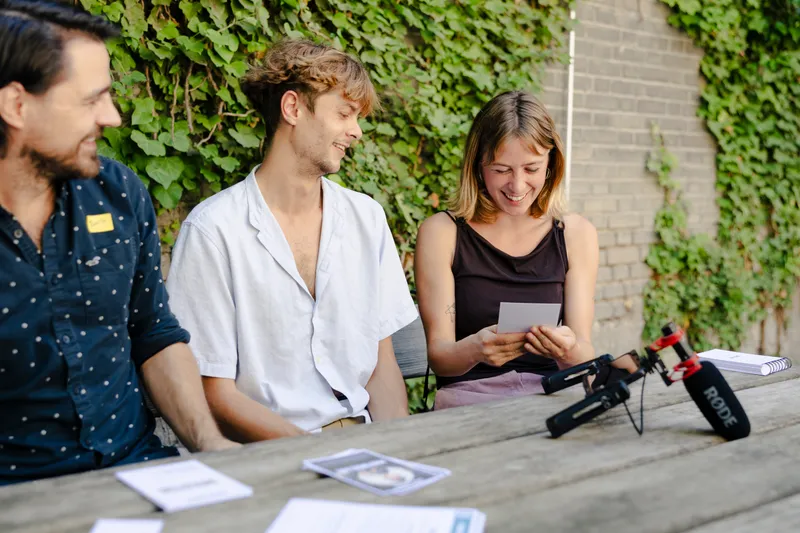
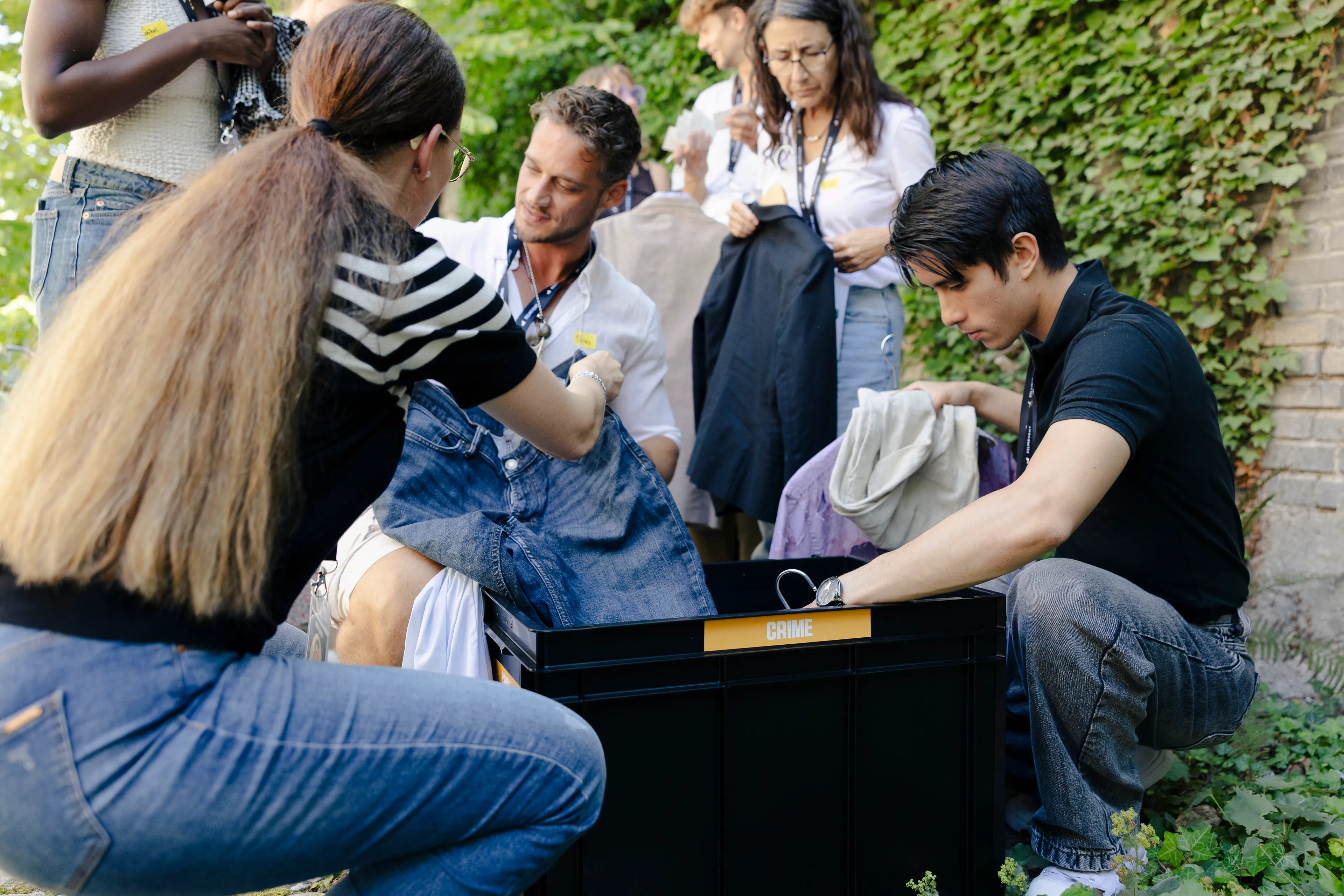
When people work on the same thing at the same time, something emerges that you can't manufacture alone: a shared rhythm. At a film event, everyone works in parallel on the same story. That connects people without anyone having to talk about it.
Emotions stick better than facts
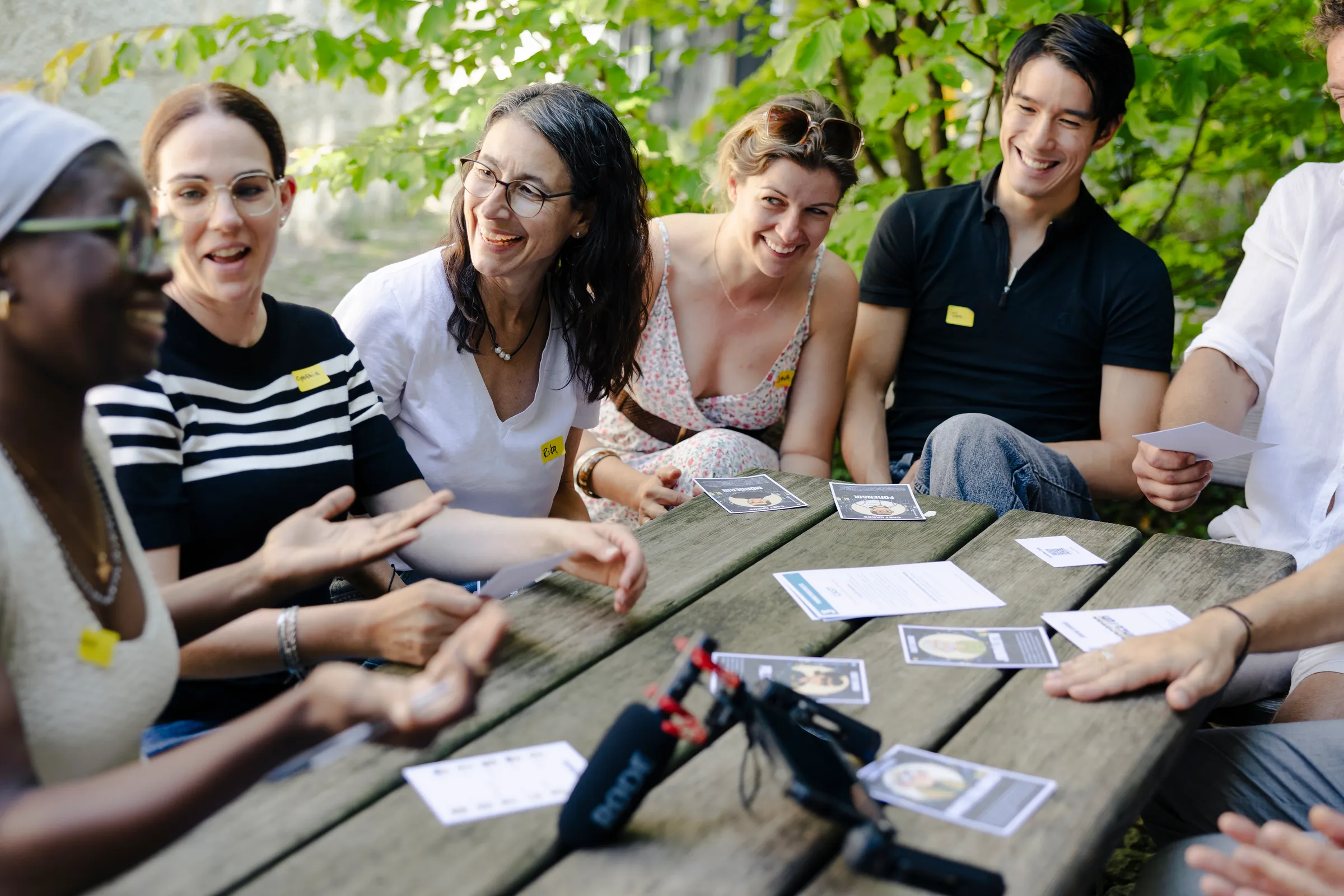
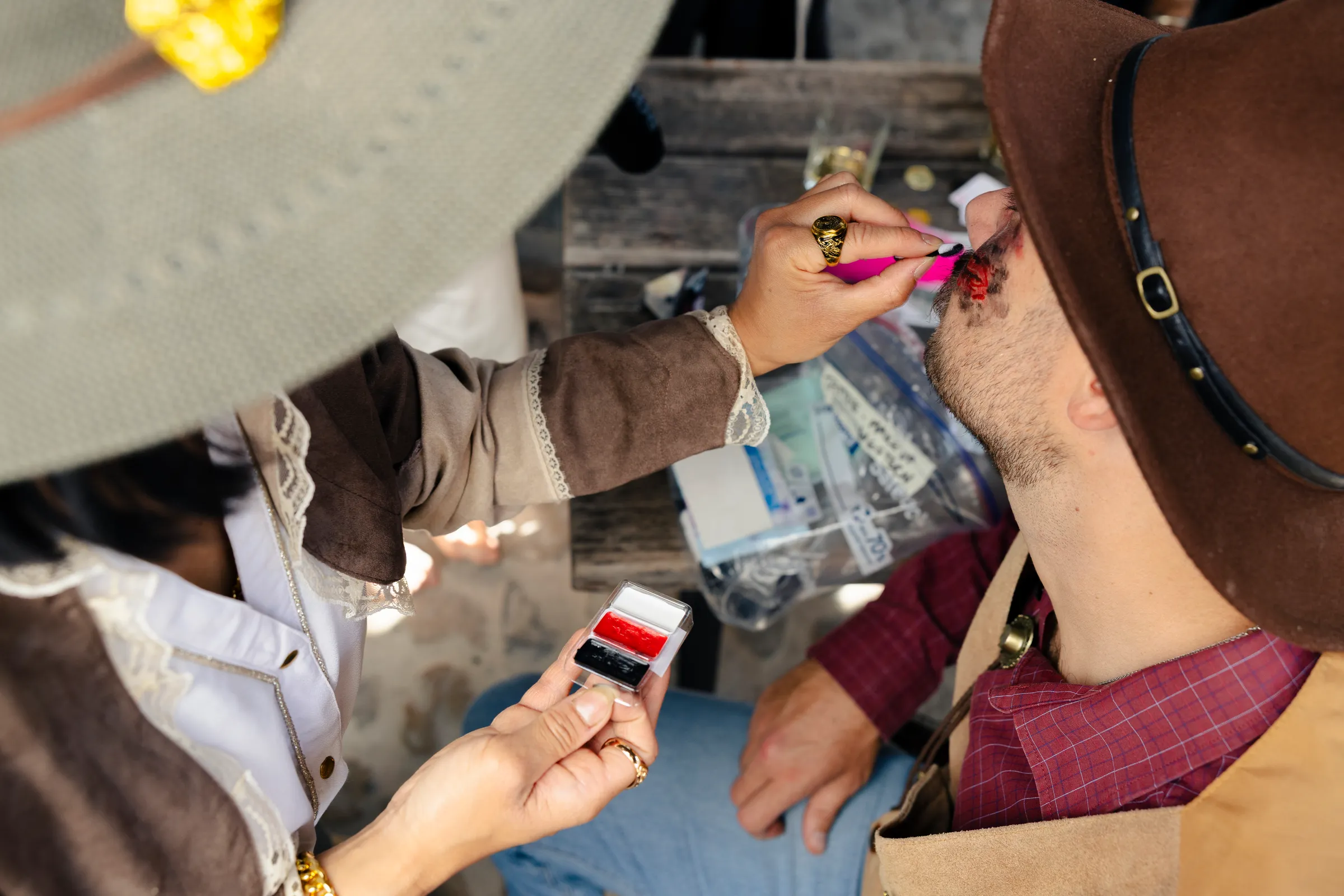
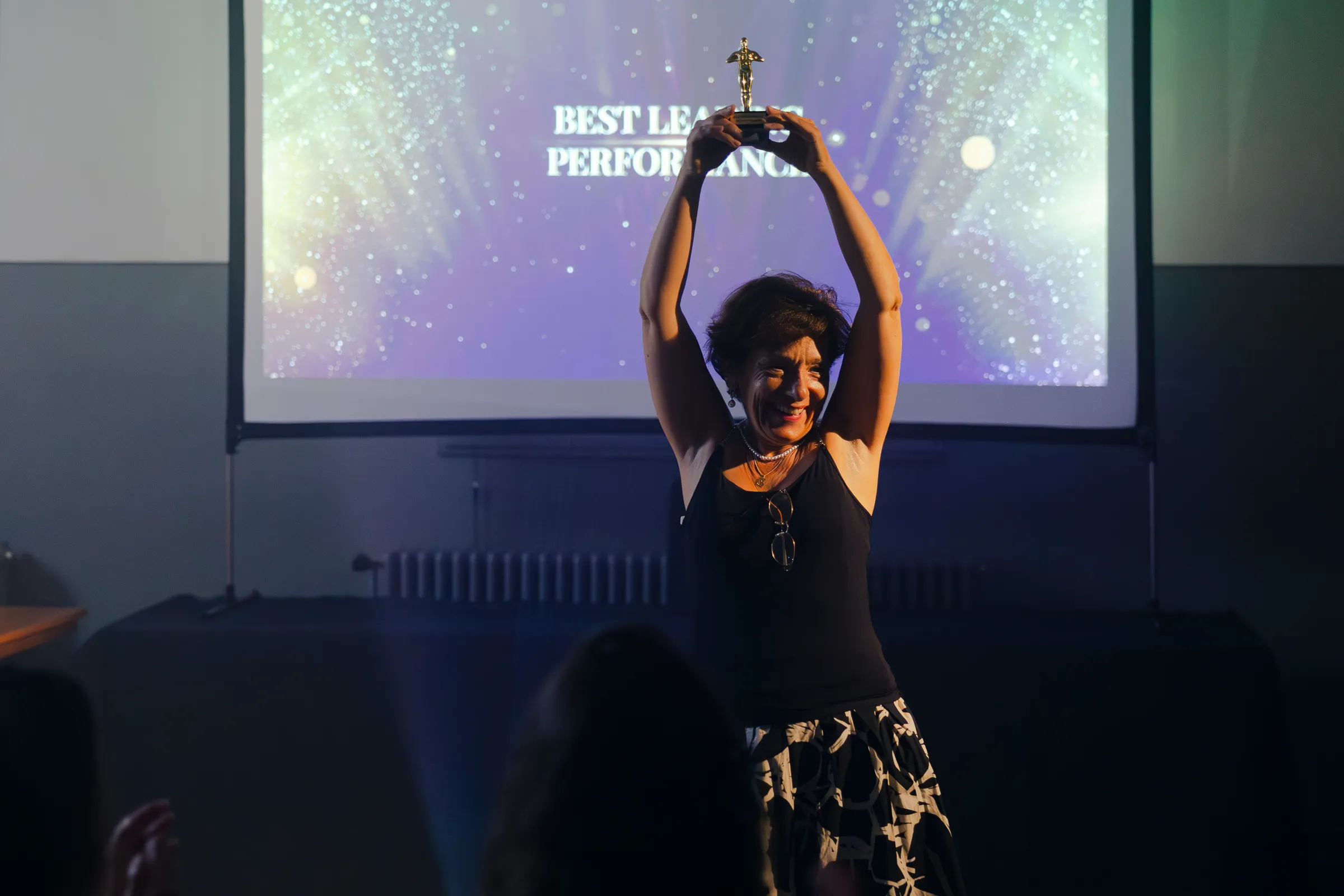
A funny mishap during the shoot stays with you longer than any Powerpoint. Laughter, surprise, a bit of excitement - these moments happen constantly at a film event. Usually unplanned, and all the better for it.