There are dozens of team event offerings: adventure, workshops, challenges, social events, escape rooms, outdoor tours, cooking classes, sports, theatre. The sheer choice doesn't make the decision easier, it often makes it harder. You spend hours comparing options and end up knowing less than before. What actually works, and what just sounds good?
The better approach doesn't start with comparing formats. It starts with an honest look at the team and at the question of what the event is supposed to deliver. From that, the right format often almost picks itself - and so do the clear no-gos. Here's a practical filter we run through with clients in the planning phase across 300+ Filmevents a year.
Question 1: what is the event supposed to deliver?
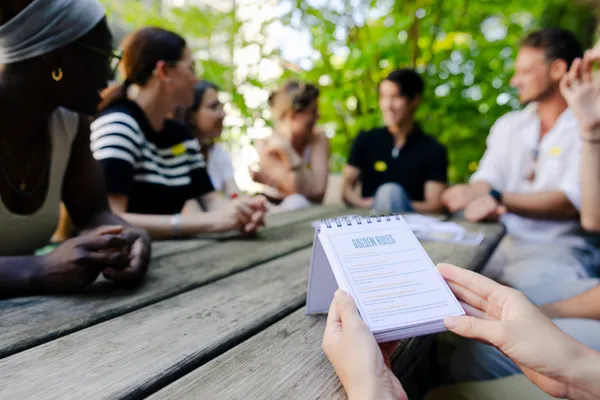
"Just do something together" isn't a goal, even when it's how the goal gets phrased. Useful goal formulations are more concrete: should the team unwind after a tough quarter? Should departments that rarely work together actually get to know each other? Should the year's kick-off set a shared tone? Should a new leadership team grow together?
Each of these goals pulls a different format along with it. Unwinding requires something light, no pressure. Getting to know each other requires structured encounter, not random conversation at the buffet. Growing together requires a shared experience with clear roles. Anyone who doesn't define the goal usually ends up picking the format that sounds the most "team-event-y" - and gets generic.
Question 2: who's coming, and what's the mix?
A homogeneous group of twelve marketing people under 35 can do almost any format. A mixed group from accounting, IT and sales, aged 25 to 60, across three locations and three languages, cannot. That isn't judgement, it's reality. Most team event classics were built for the homogeneous variant and tip the moment the real bandwidth of an average workforce shows up.
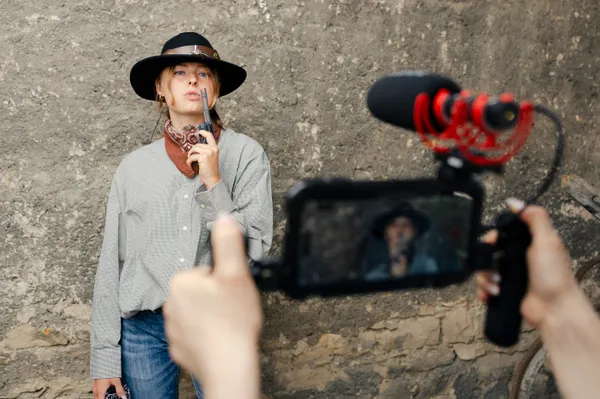
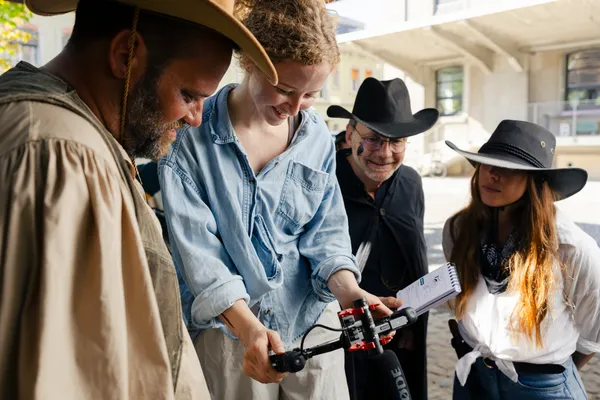
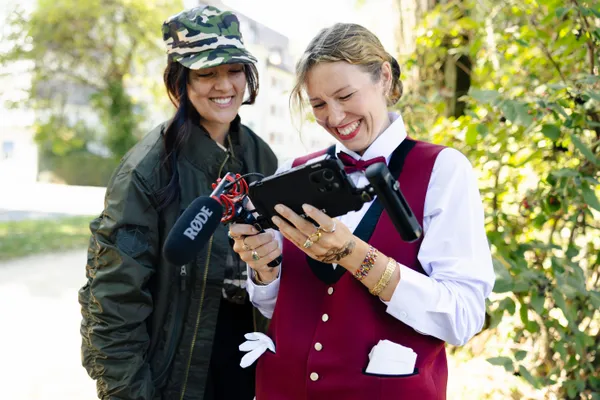
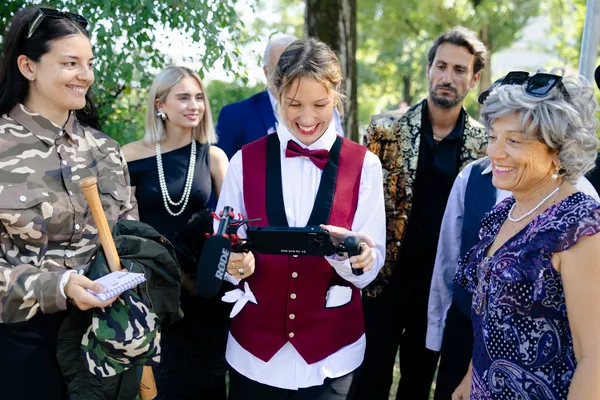
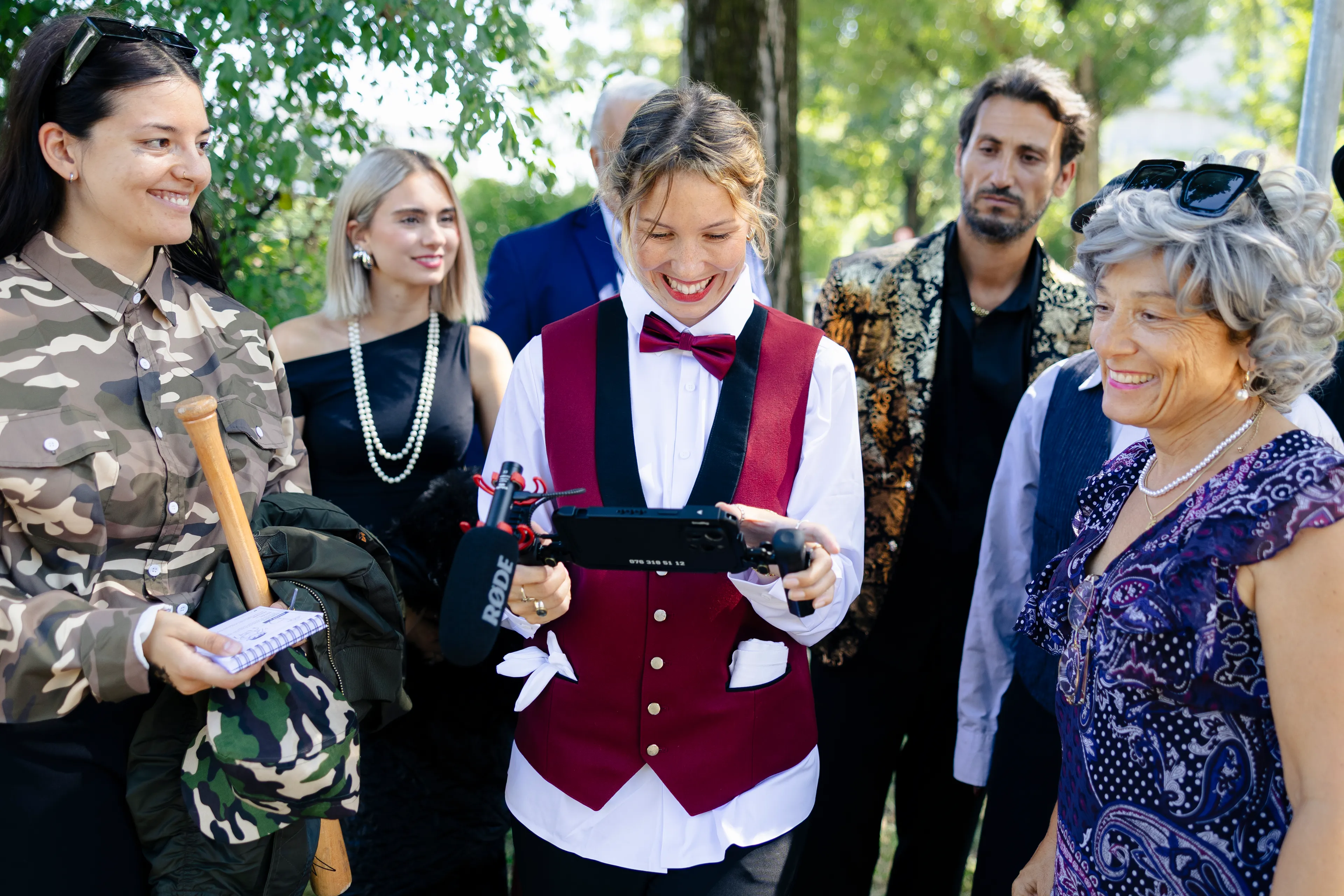
Anyone who lists honestly in the planning phase who's coming has already done half the filtering. A sporty outdoor tour? Sounds great, until you notice three participants have knee issues and two have a fear of heights. Improv theatre? Sounds wonderful, until you realise half the team would consider it personal hell. Filmevent? Works, because the role variety covers every personality and physical condition - but that's also a filter, not a free pass.
Question 3: how big is the group actually?
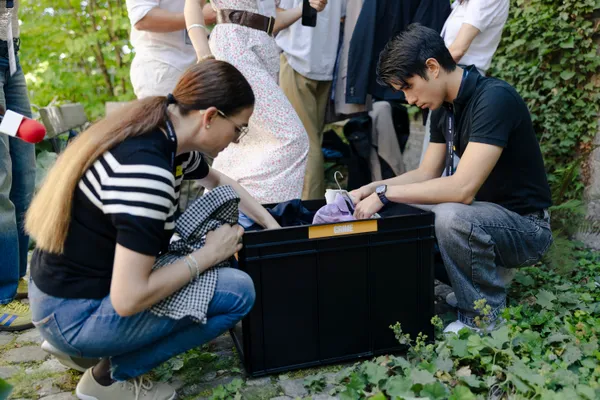
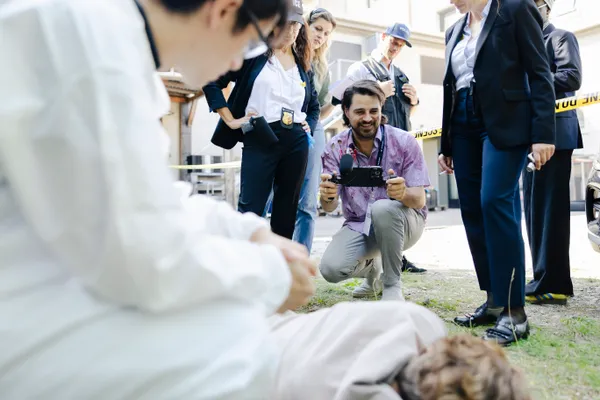
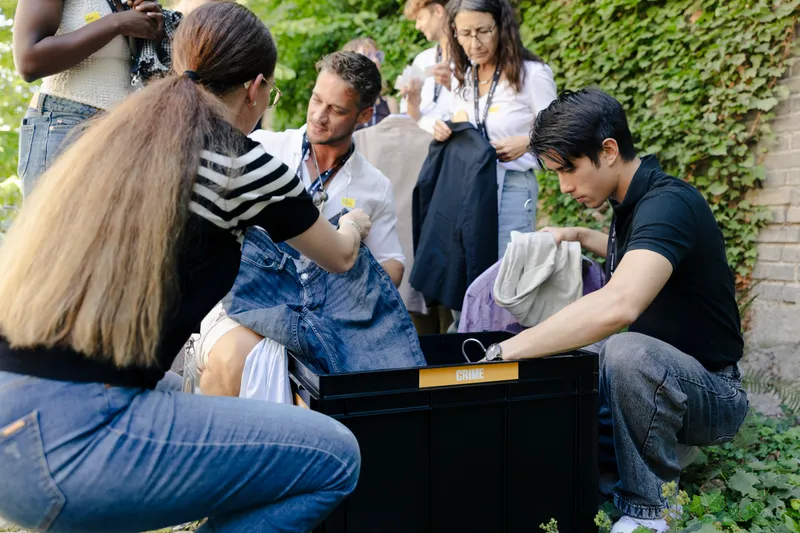
Many ideas sound great for twelve people but don't scale. At 40, 80 or 200 participants formats need an extra layer of logistical stability, otherwise the event splits into an active and a passive part. Filmevents scale through crew splits: eight to twelve people per crew, multiple crews in parallel, one shared premiere. Other formats scale through programme splits: parallel workshops, switching every 45 minutes. Yet others don't scale at all and should be honestly ruled out for large groups.
A simple test: in the format, will every person be doing something substantial at the same time? If no - they're waiting, watching, extras - the format doesn't scale. If yes, it does.
Question 4: what's left after 48 hours?
This is often forgotten in planning but in retrospect the sharpest filter. Many team events are great in the moment and evaporated two days later. That's it - no photo, no story, no trace. Other formats produce a concrete result: a shared image, a product, a film. These results extend the event's impact across weeks or months.
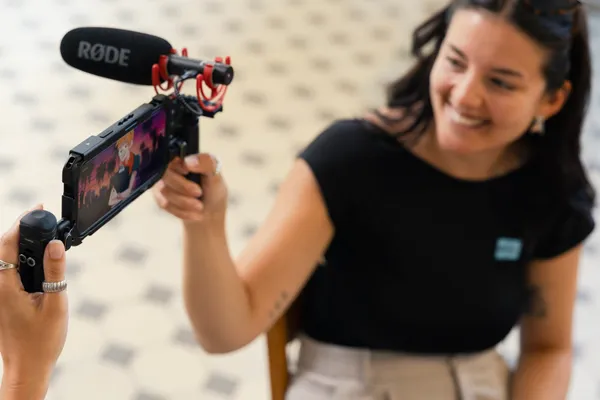
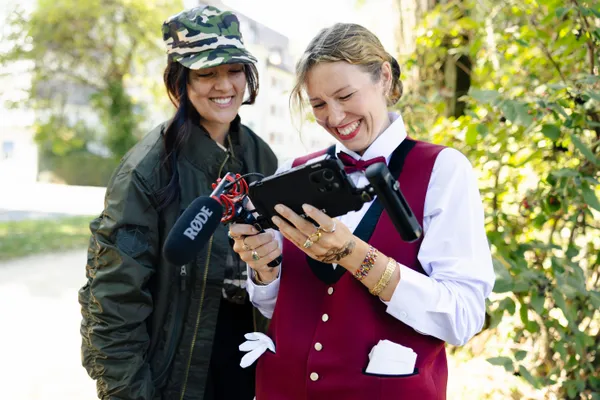
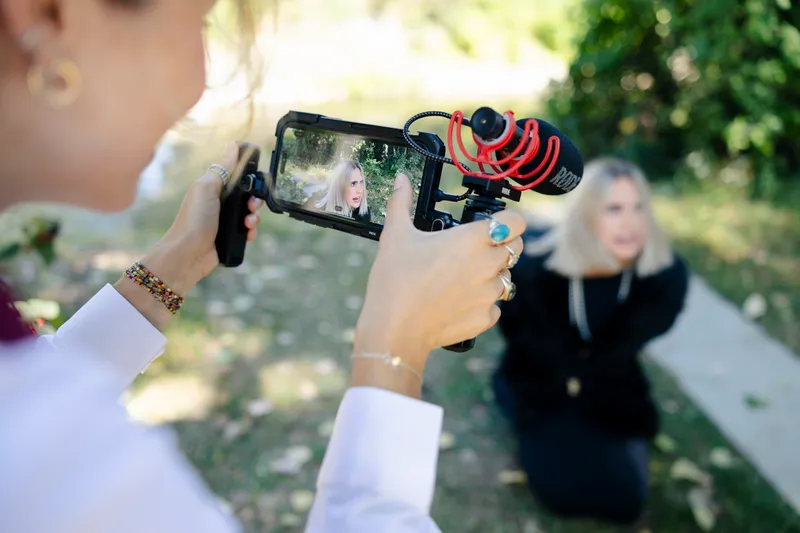
At a Filmevent that's the finished short film per crew. It gets shared internally, screened at the next quarterly, used in onboarding. That's not a bonus, that's the reason Filmevents resonate longer than most comparable formats.