Googling "best team event ideas Switzerland" returns endless lists with dozens of suggestions. Climbing, cooking class, escape room, scavenger hunt, raft building, archery, glassblowing, whisky tasting, outdoor survival, theatre workshop. The problem with these lists: most ideas sound good on paper but in practice only work for a narrow slice of the workforce. The question of the "best" team event idea is therefore rarely meaningful without context - but there are a few criteria that decide things almost every time.
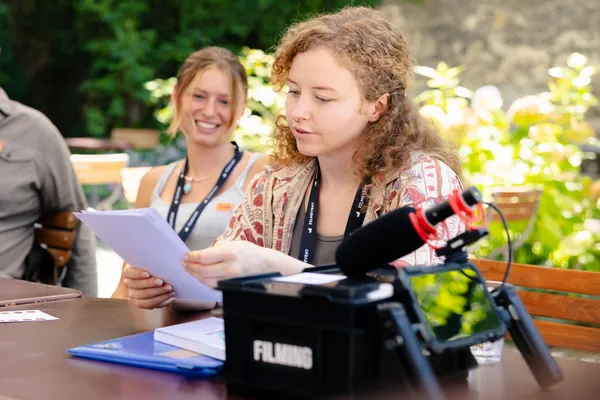
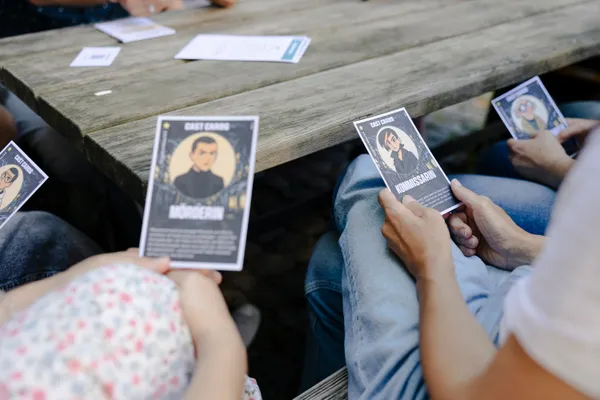
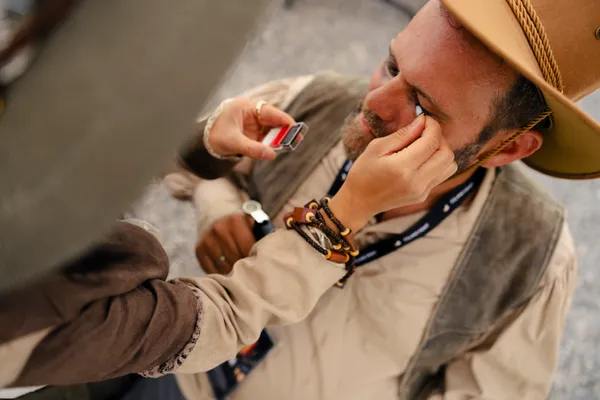
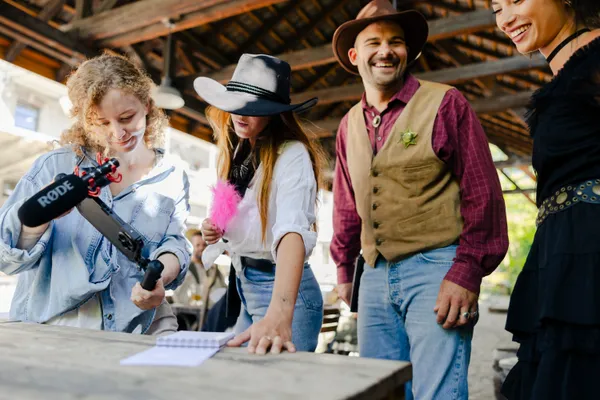
From over 300 Filmevents a year with Swiss and international companies, plus the many comparison cases where clients tell us what they had booked before, patterns have emerged. What distinguishes a really successful event from a pleasant but forgotten one? The answer is surprisingly consistent - and it isn't with the most spectacular format.
Where most formats fail
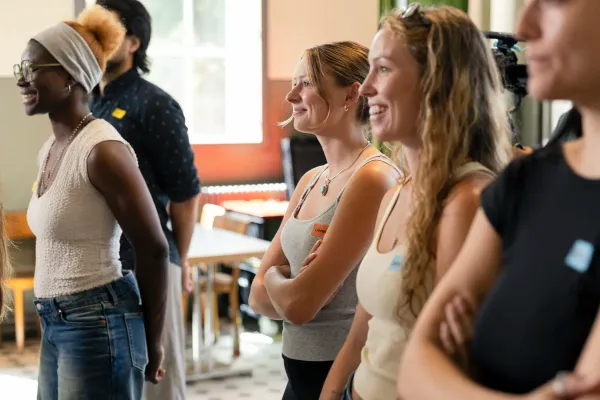
Half the team joins in, the rest stand on the sidelines. That's by far the most common failure mode. A high ropes course is great for the athletic ones, the others wait nervously for their turn or climb half-heartedly. An improv workshop wows the extroverted 30 per cent, the other 70 sit in a half-circle with frozen smiles. A whisky tasting works for connoisseurs, the rest sip politely. With each of these formats a substantial share of the workforce leaves with the feeling "it was okay, but not for me".
The second common failure mode is scaling. An idea that's great for twelve doesn't simply become bigger at 80 - it becomes unusable. Some formats get split into several parallel mini-versions for larger groups, which kills the shared climax. Others just get stretched, with longer waiting zones, and slide into tedious. Booking a format actually designed for a different size buys disappointment in two acts: first at the event, then in the feedback in the week after.
The third pattern: it was fun, but two weeks later no one remembers any of it. That's the most painful, because it happens quietly. The event was good on the day, met expectations, everyone laughed. And then it fades. At the next quarterly nobody asks "remember when?", because there's nothing concrete to hang on to.
What good formats have in common
The best events we've seen - not just our own - share four characteristics. First: everyone participates actively, not just a fraction of the workforce. Second: there's a clear goal the team works towards across the day. Third: no specialist knowledge, no special equipment, no physical prerequisite is needed. Fourth: something tangible remains at the end that carries the event beyond the day.
These four criteria filter the "best ideas Switzerland" lists rigorously. Climbing drops out because it filters physically. Improv theatre drops out because it filters by personality. Whisky tasting drops out because nobody takes anything home (except maybe a bottle). What remains are formats that are active, inclusive, scalable and lasting - and that list is shorter than you'd think.
Honest comparison with the common alternatives
An honest comparison with the Swiss classics helps with placement. A cooking class is usually good. It activates everyone, because everyone has to eat and joins the cooking. But it scales poorly - more than twenty people per kitchen gets tight - and it leaves little behind beyond a full stomach and a few photos. A scavenger hunt is usually fun but breaks down into small groups without a shared climax, and the result is a score, not an artefact. An escape room is compact and intense, but only works for six to eight people per room - at a workforce of 80 that's a logistical nightmare with waiting zones.
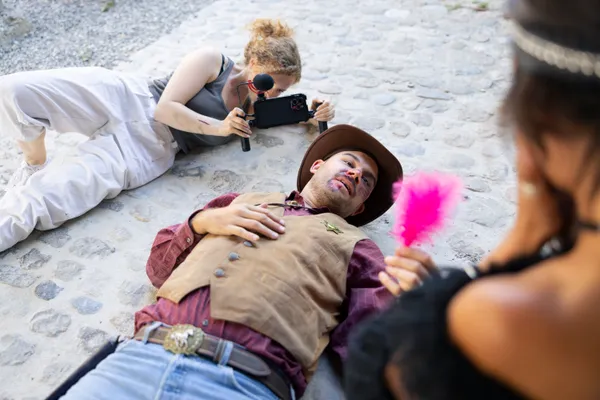
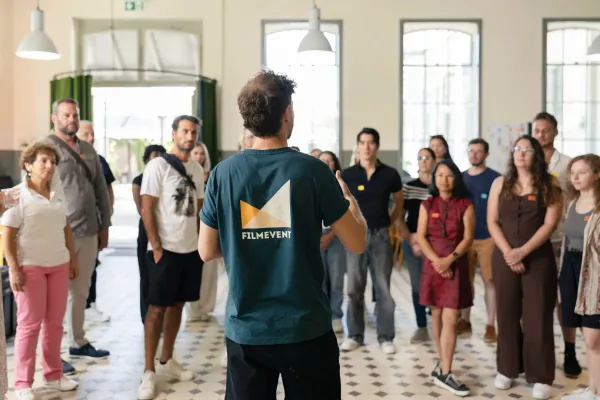
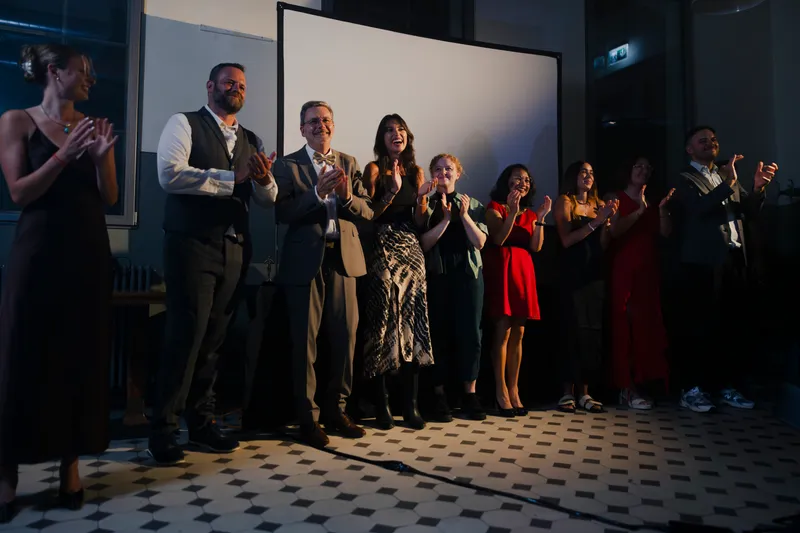
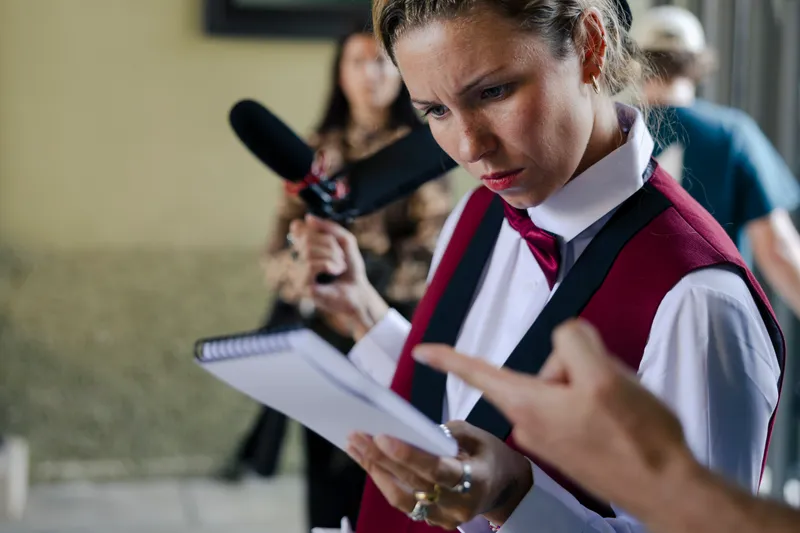
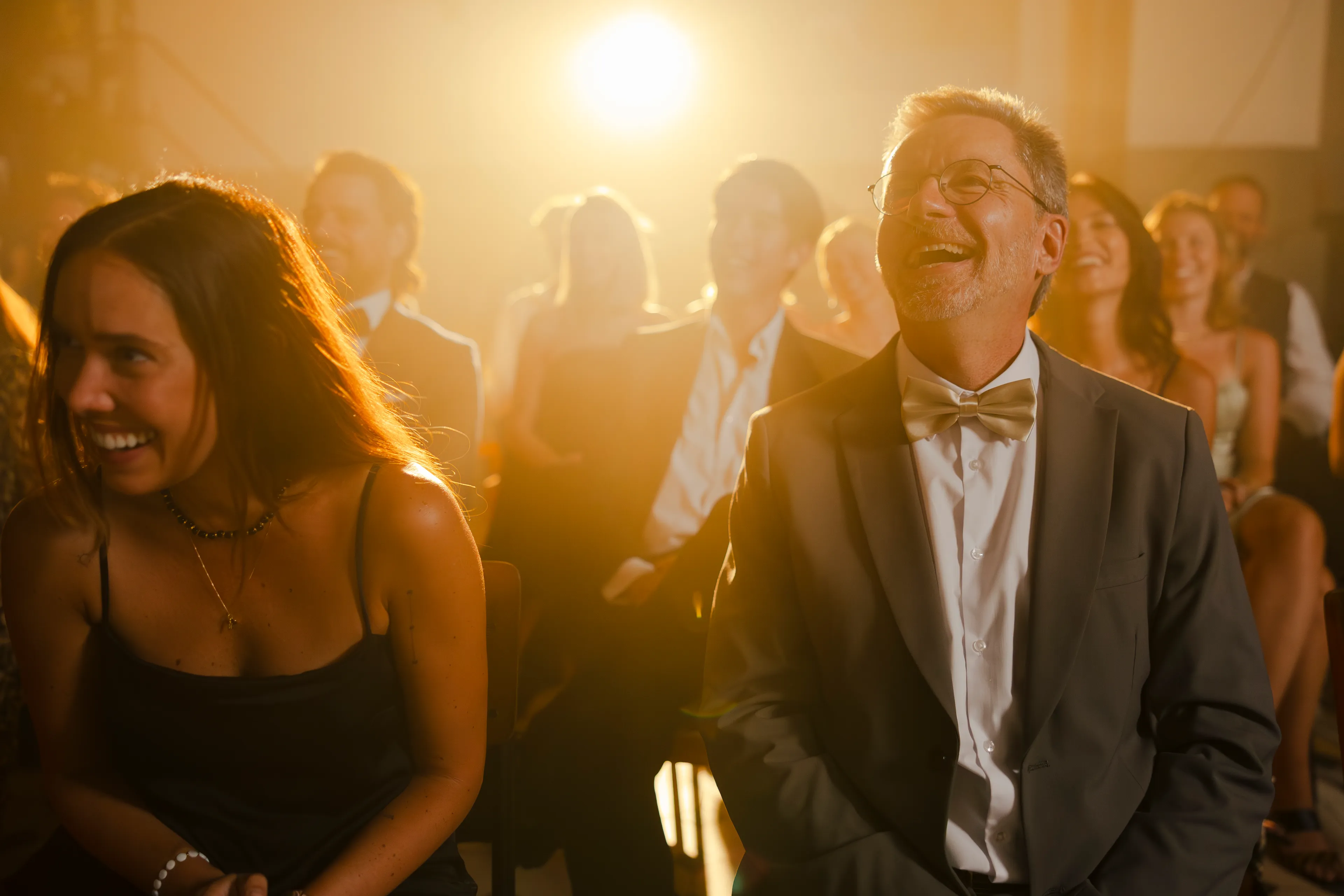
Filmevents come out well in this comparison, not because they're the most spectacular format but because they deliver on all four criteria at once. Active participation: every role is required. Clear goal: the finished film. No prerequisites: the script and shot list provide the frame. Tangible result: the film itself, persistent.