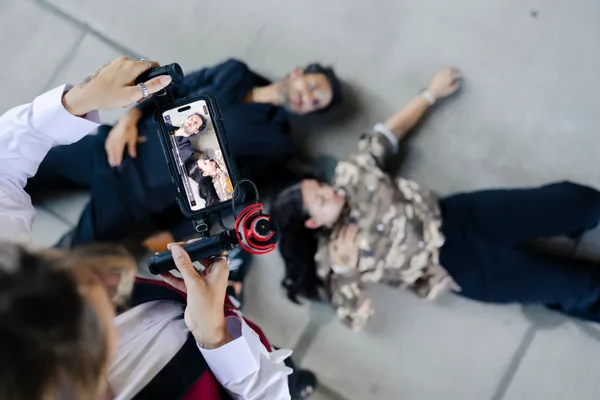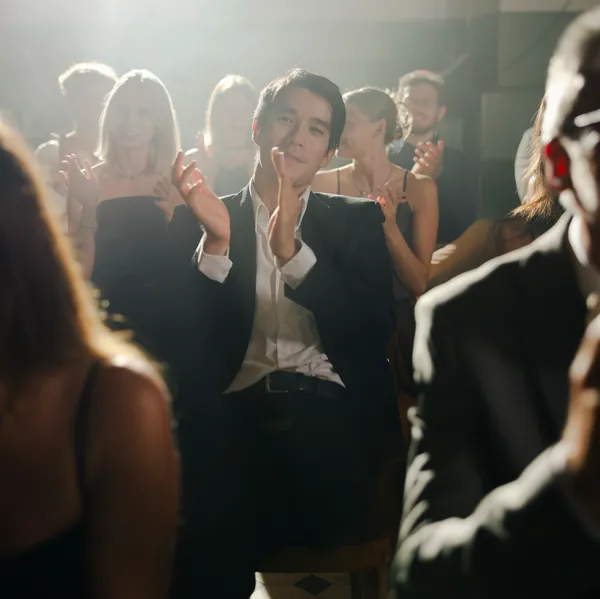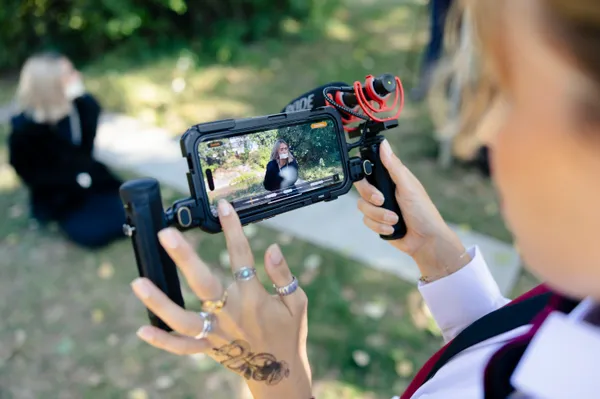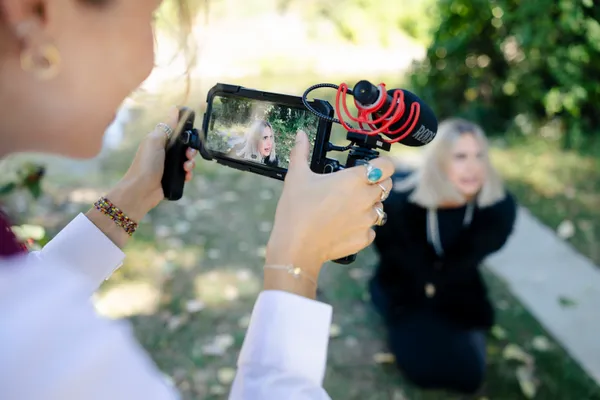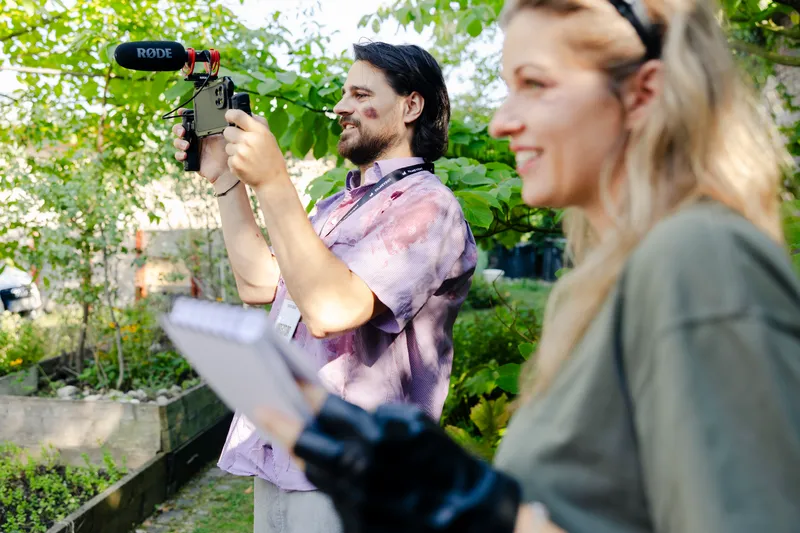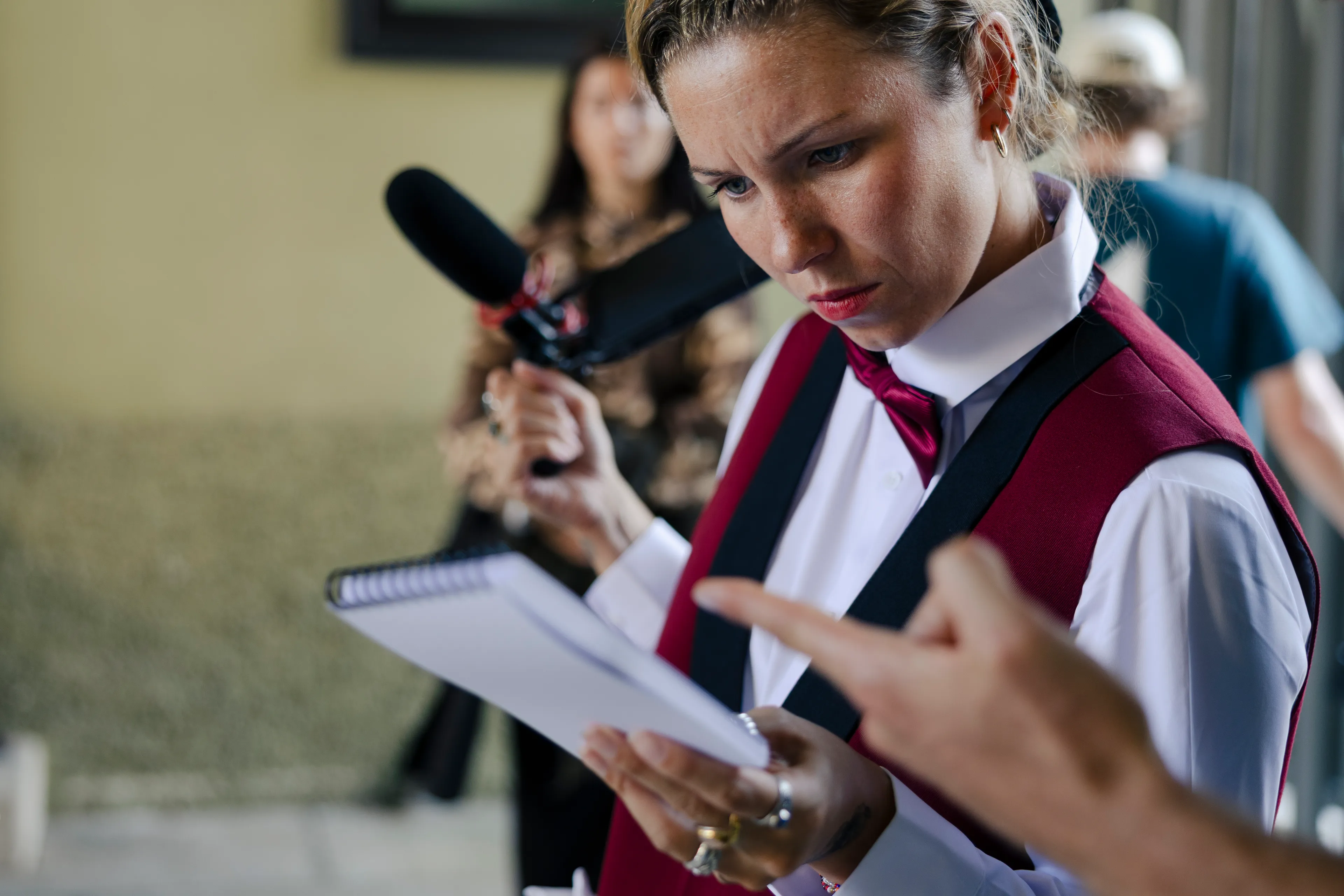
Planning team events in Switzerland means working with variables that rarely combine the same way elsewhere. Workforces are usually linguistically mixed - in Zurich the German-speaking majority is joined by a substantial share of English speakers, in Lausanne and Geneva French is the business language, in Ticino it's Italian, and internationally active companies juggle all three plus English. Geographical distances inside Switzerland are small, but cultural distance is larger than often assumed.
Add to that weather that can shift three worlds in a day, high standards around quality and execution, and an implicit understanding of appreciation that's calibrated differently in Swiss companies than in many other markets. A format that works here has to be flexible without becoming arbitrary. Here are the factors we've condensed from over 300 Filmevents a year for Swiss companies.
Multilingualism as default, not exception
Many Swiss workforces are de facto trilingual: German speakers from the German part, French speakers from the Romandie, English as lingua franca for the internationals. Anyone planning a team event in which only one language works excludes part of the workforce - silently usually, but effectively.
Filmevents handle this structurally well. Inside a crew teams quickly find their own mixed language - often English as common denominator, with German and French interjections where they fit. The script can exist in multiple languages, acting scenes can be shot in the crew's chosen language, and at the premiere the language variety doesn't disrupt anything but becomes the character of the whole event. Some crews deliberately shoot in a language that isn't their main working language - that changes the tone and makes the day more memorable.
Weather as a variable, not a showstopper
Switzerland no longer has reliable weather windows - what looks in May like the start of summer can be sleet again the next day. Outdoor events are a risk in this reality, one many providers offset with expensive plan-B options. At a Filmevent the switch between indoor and outdoor shooting phase is part of the architecture. If the weather plays along, the crew goes outside. If not, we shoot in the hotel corridor, in the stairwell, in the courtyard - everything turns into film backdrop.
From practice: one of our most memorable shooting days had morning sun, midday hail, afternoon sun. The crew shot two outdoor scenes under blue sky, an improvised bad-weather scene in the courtyard during hail, and a final scene back in the park. In the finished film it looks like intentional staging. That's the flexibility the format brings.
Scaling from small workforces to mega events
Swiss companies come in all sizes. Family-led mid-sized firms with 30 employees aren't unusual. Banks or insurers with 800 people per location, equally normal. International hubs with cross-location events of 200 or 300 people meeting physically for the first time in a year, also routine. A format has to carry across this size range without losing quality at large groups or atmosphere at small ones.
Filmevents scale through crew splits. Multiple crews work in parallel, each with its own story and roles. At 30 people that's three crews of ten. At 200 it's twenty crews coordinated across multiple hosts and rooms. At the end everyone comes together for the joint premiere. The principle stays the same, the logistics adapt to size - that's why Filmevents work in both worlds.
Quality expectations as Swiss baseline
In a Swiss environment a team event runs through a tight quality filter. Catering has to be right, rooms have to be right, the flow has to feel professional. "It was okay" as feedback is too little in most companies. Anyone picking a format that relies on improvisation and minimum effort risks a quiet disappointment that ripples through informal conversations for months.
Filmevents in our practice are often booked precisely against this expectation. The finished film at the end is a visible quality proof: the crew sees the cut, hears the music, recognises the post-production. That isn't homemade, that's a real short film. This quality isn't a bonus, it's standard delivery - and it fits a Swiss expectation that takes professional execution as a given.