Why does one team event still linger in your head months later, while another fades after a week? It rarely has to do with budget or programme. It has to do with what actually happens in the participants' minds - and that has been surprisingly well researched for decades.
The psychology of memory isn't particularly esoteric here. What's emotionally charged, actively experienced, and embedded in a coherent story stays. What's passive, neutral and episodically flat disappears. Daniel Kahneman's "peak-end rule" describes it in one sentence: we remember events through their emotional peak and their ending - the rest gets compressed by memory. Anyone designing a team event is therefore either building exactly those moments in, or building for the bin.
Active participation isn't a nice-to-have
The biggest variable for memory value is mundane: did the person actively shape the experience, or did they watch? Whoever takes part encodes the experience as their own action. Whoever watches encodes it as observation - a psychologically much weaker memory signal. That explains why an employee who sat in the front row at a magic show says little about it after two weeks, while someone who improvised on a stage still talks about it a year later.
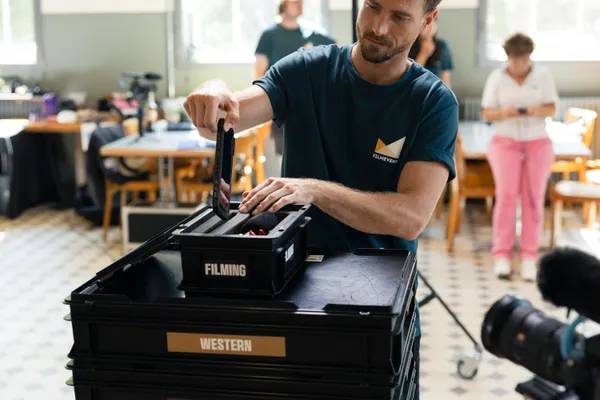
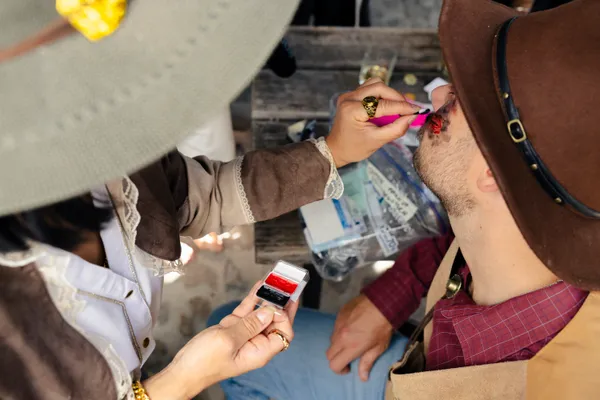
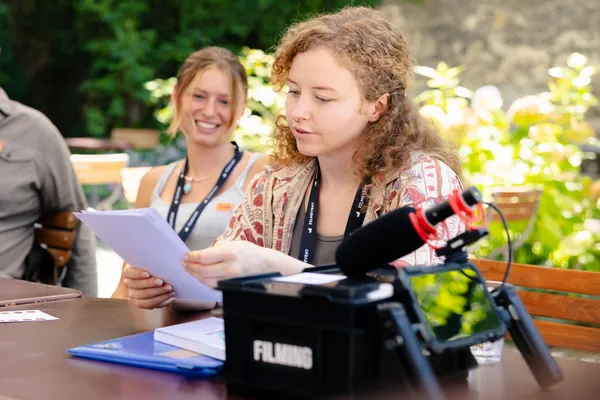
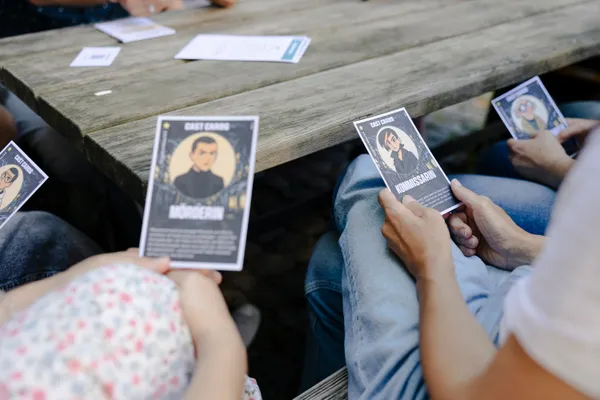
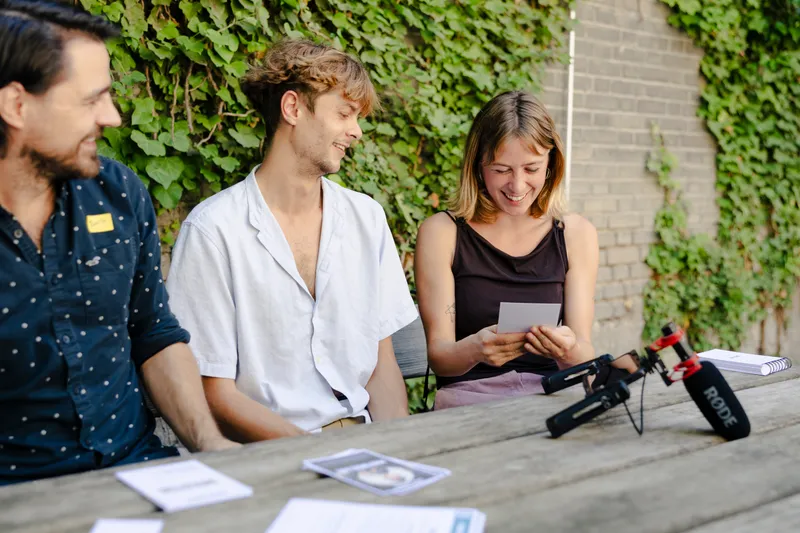
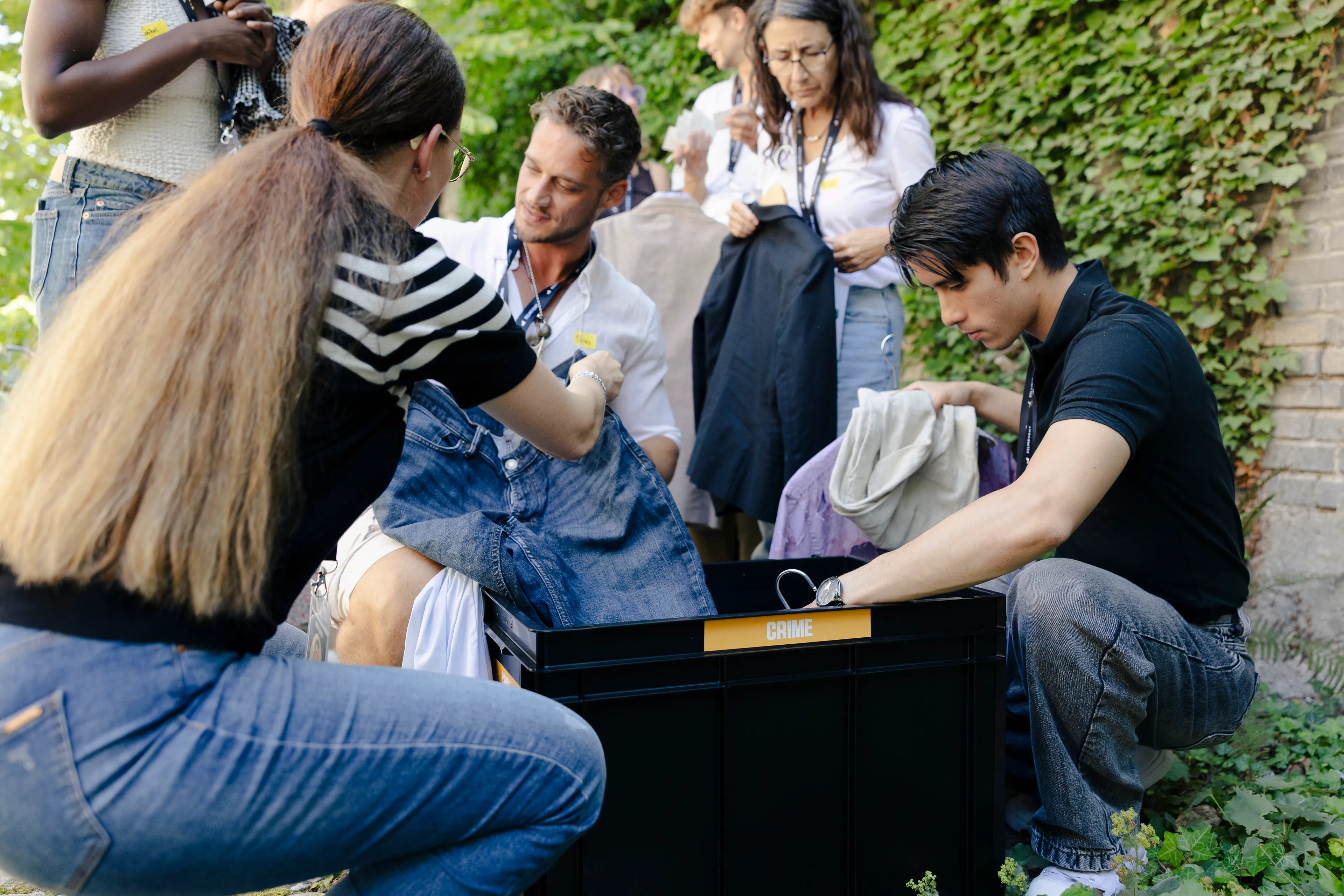
At a Filmevent there are structurally no spectators. Every person in every crew has a role that's necessary for the film. Nobody can drop out without something missing. This architecture isn't an end in itself - it's the precondition for the experience actually landing in the participants' minds.
Shared rhythm creates a we-feeling
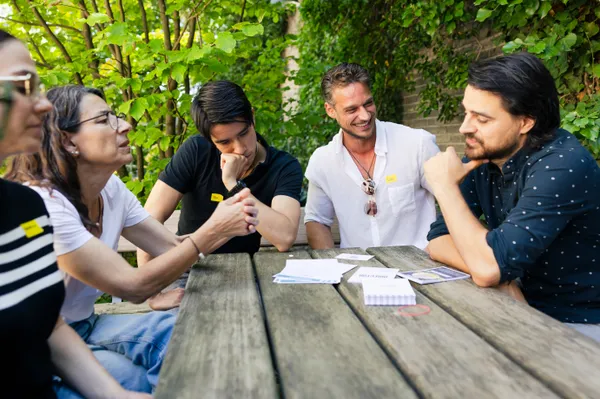
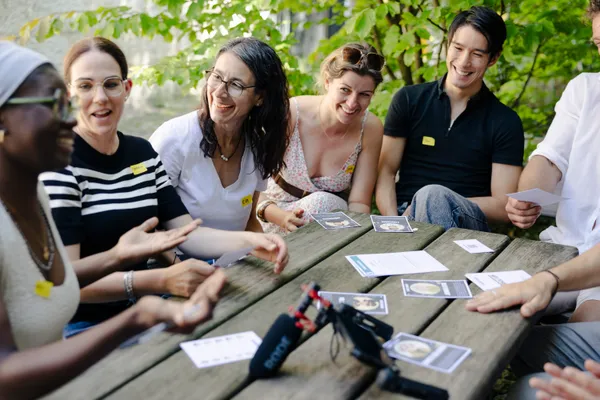
There's an effect called "behavioural synchrony" in social psychology: people who do the same thing at the same time develop a stronger we-feeling than people who do different things side by side. It works for dance, for music, for building things together - and for parallel shooting of a story.
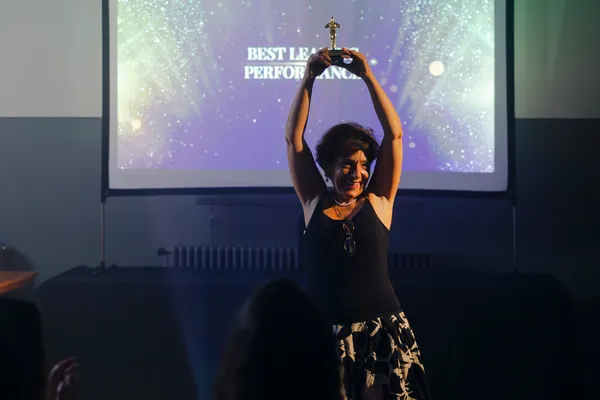
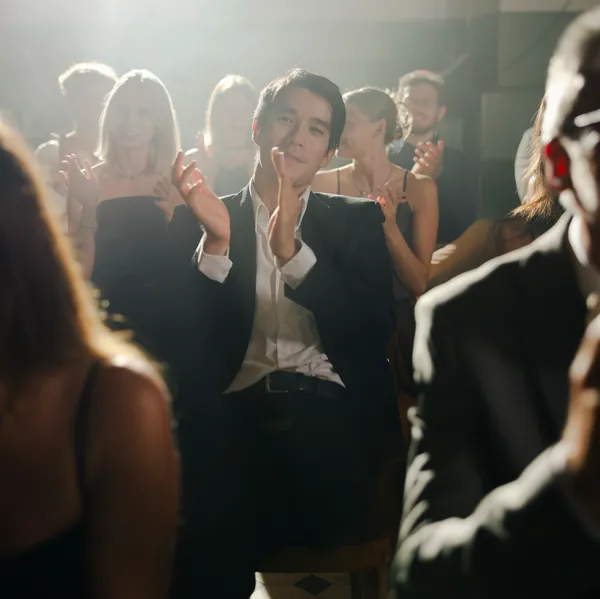
At a Filmevent each crew works on its own story, but all crews work at the same time on the same format, with the same method, towards the same goal. This parallelism produces an implicit we without anyone having to say it. At the evening premiere this we becomes explicit, because all films play one after the other and it becomes visible that an entire workforce delivered the same thing in one day - even though each crew produced something different.
Emotions stick better than facts
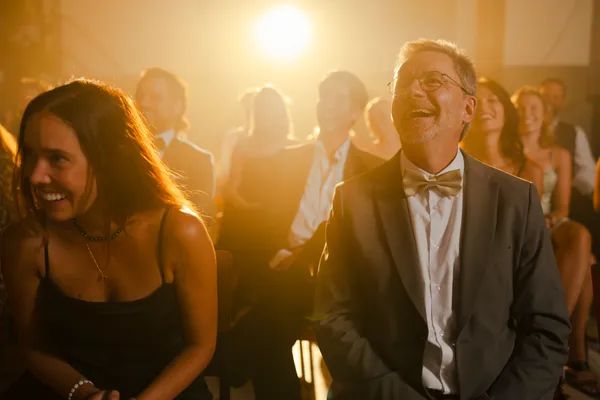
People remember a funny mishap on set longer than any PowerPoint. That isn't marketing rhetoric, it's measurable with hippocampal activity: emotionally charged material is significantly more likely to make it into long-term memory. Laughter, surprise, a bit of creative tension, the moment of relief when the scene finally works - these are the anchors memories later attach to.
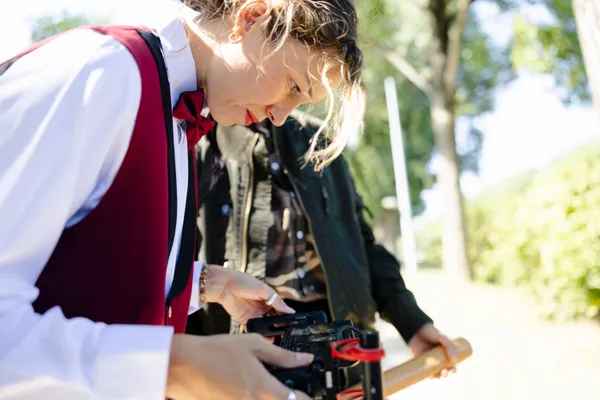
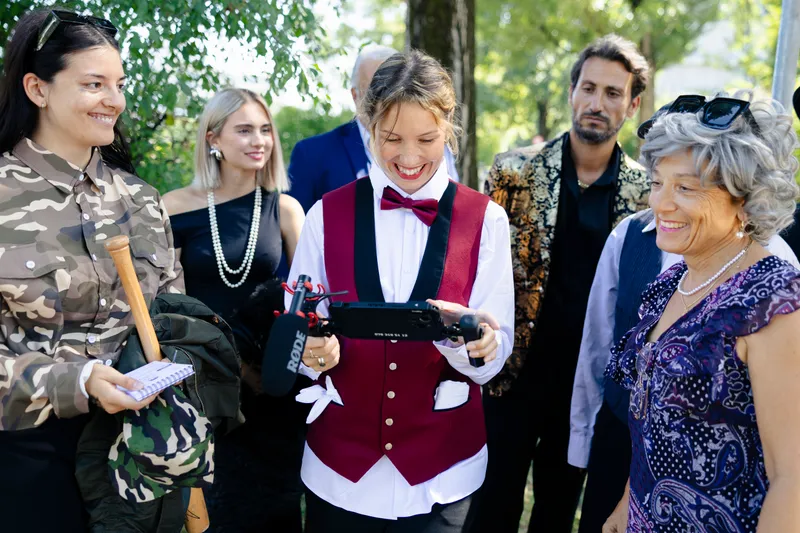
These moments emerge at a Filmevent practically by themselves, because the situation demands them. A crew shooting a scene under time pressure laughs at the first try, surprises itself on the second, breathes relief on the third. This arc, three times across a shooting day, three times per scene, dozens of times per crew - that adds up to a density of emotional markers a normal office day doesn't produce.