Team event

Trends for 2026

What's changing and why it matters

The days when a high ropes course or a barbecue evening counted as a team event are over. Not because those were bad - they often were good. But expectations have shifted. Teams today want more than entertainment, they want to participate and ideally take something with them that's still around next week. From over 300 events a year, a few clear shifts can be read off for 2026.

These shifts aren't random, they're consequences of bigger changes in working life: hybrid setups have made physical team meetings rarer and therefore more valuable. Younger generations come into companies with different expectations of meaning and participation. The "experience economy" has shaped consumer behaviour and is now shaping expectations of corporate events too. Anyone planning team events for 2026 shouldn't ignore these trends.

Less watching, more doing

The clearest trend: events are getting more interactive. Formats where half the participants are spectators work less and less well. A magic show or DJ set still gets booked, but as a side dish, not as the main course. The main part of the day has to be shaped by the team itself - otherwise the memory stays thin.

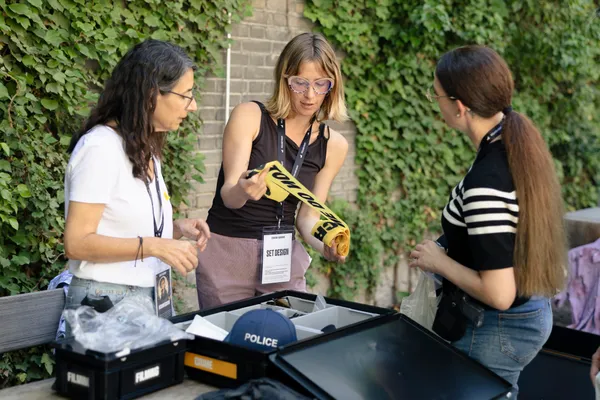
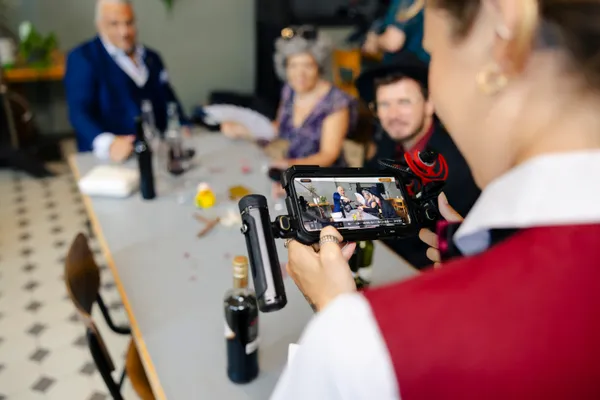
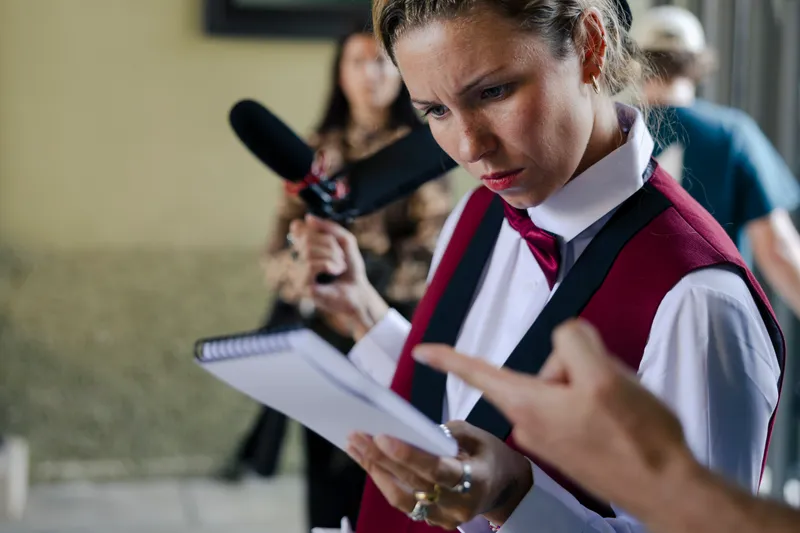
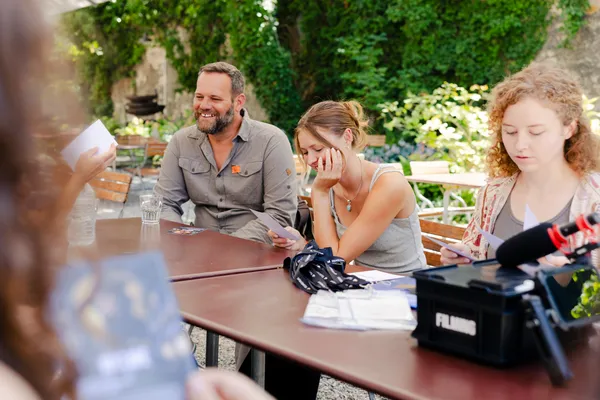
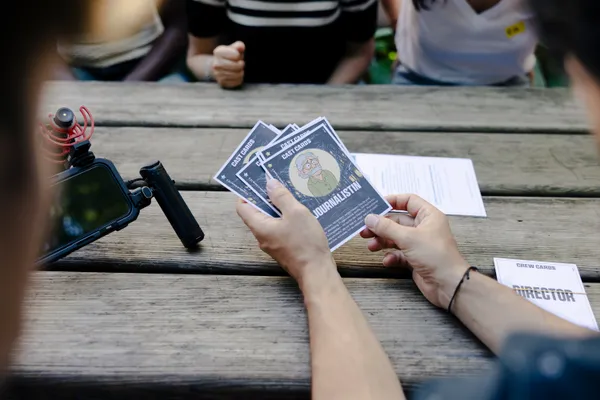
There's a psychological reason: passive experiences leave fewer emotional markers than active ones. A workforce that watched for two hours is entertained but not connected. A workforce that did something together for two hours is tired and usually closer to each other. At a Filmevent there is structurally no spectator part - every crew, every person, every role is actively involved across the day. That isn't coincidence, that's the response to the trend towards active participation.

Creativity beats action

Pure adrenaline events - climbing, rafting, quad tours - are losing ground. Not because they aren't exciting but because they only reach part of the workforce. Half of an average team isn't booked for adrenaline tourism, and that's fine. Creative formats are rising because they have broader compatibility: anyone who can co-shape a script can do that just as well as anyone who can climb a bouldering route - and usually both profiles meet in the same workforce.

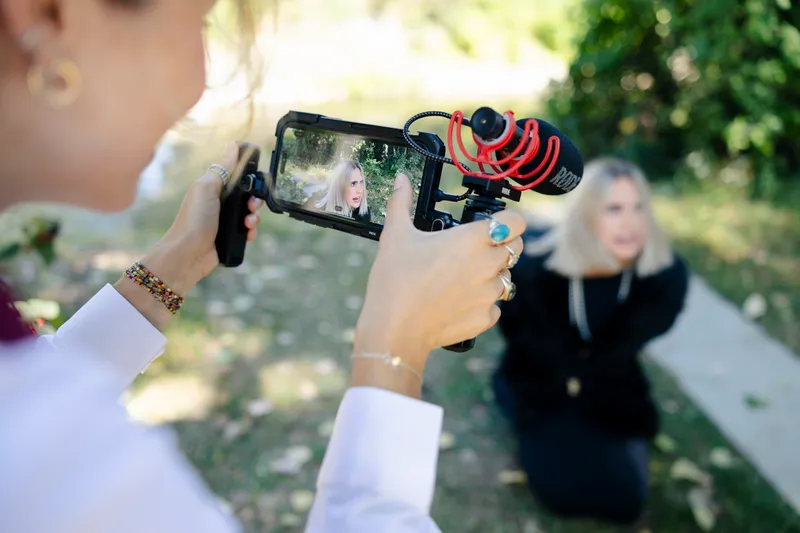
So creating something together isn't only on trend because it's fun. It's structurally on trend because it includes more participants. At a Filmevent an idea becomes a concrete result: a film. The path there requires collaboration, alignment, creative decisions - exactly the qualities modern teams need daily anyway, but rarely get to experience consciously under shoot pressure.

Hybrid teams need anchor experiences

Since the past few years many teams work hybrid - some two days in the office, some mostly remote, some across locations. As a result the moments when the entire team is in the same room have become significantly rarer and correspondingly more important. A team event today is often the only event in the year where the full workforce physically meets.

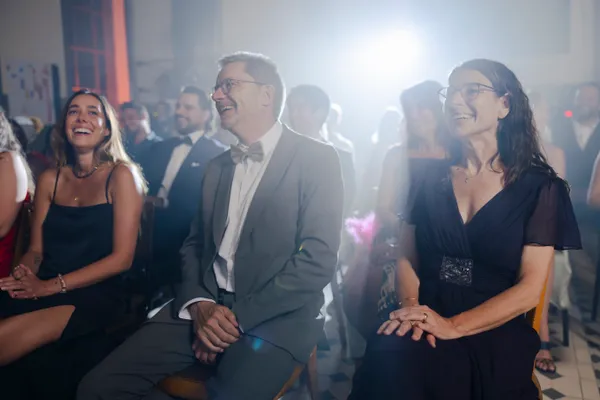
That means: the format has to take this moment seriously. An average apero evening that counted as "nice" before Covid is too little today. Participants' expectation is that a physical meeting offers a clear added value over the digital daily routine. Filmevents have a structural advantage here, because they produce a shared experience that can't be replicated digitally - the set, the shared shooting day, the evening premiere.
Immersive instead of surface-level

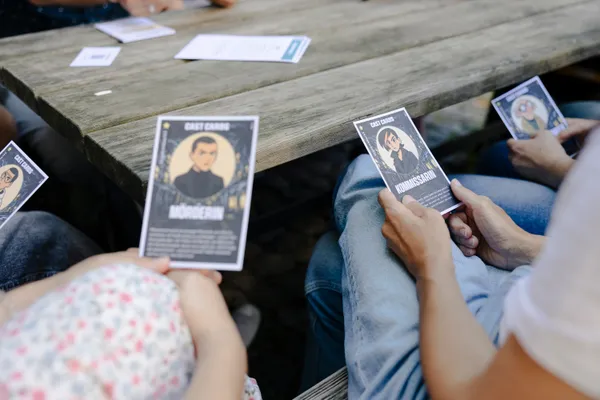
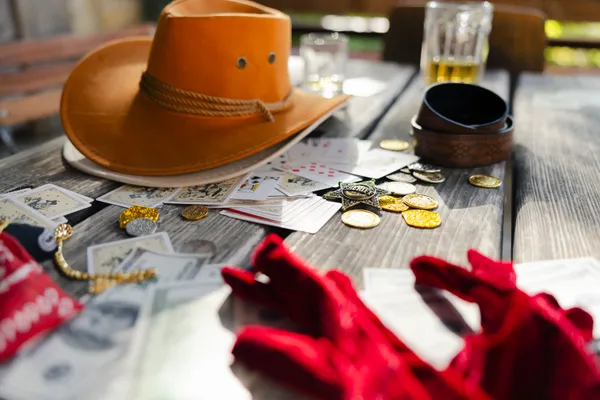
Events should feel like their own world for the day. Story, setting, roles - not as cosmetic gimmick but as a frame participants can step into. That's why escape rooms remain on trend, why LARP-style formats are emerging, and why Filmevents are finding a broader audience than five years ago.

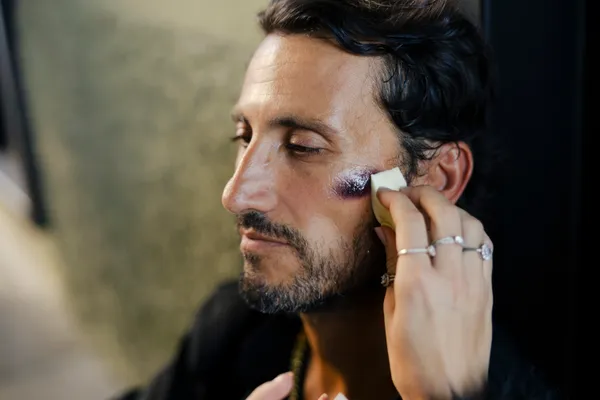
The logic is simple: immersion produces presence. A team inside a clearly bounded setting - crime, western, sci-fi - has left their working day behind for a few hours. That's different from just being out of the office for a day. A Filmevent is immersive by nature: you step into a story and become part of it, because every role in the crew hangs on that story.

Large groups, small units

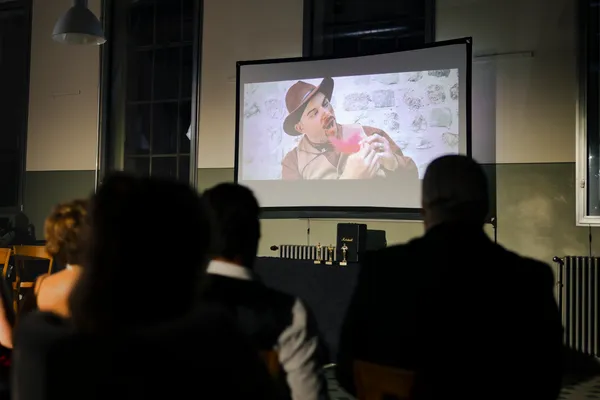
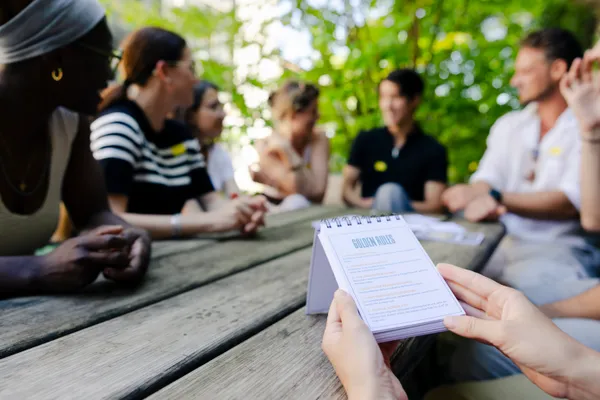
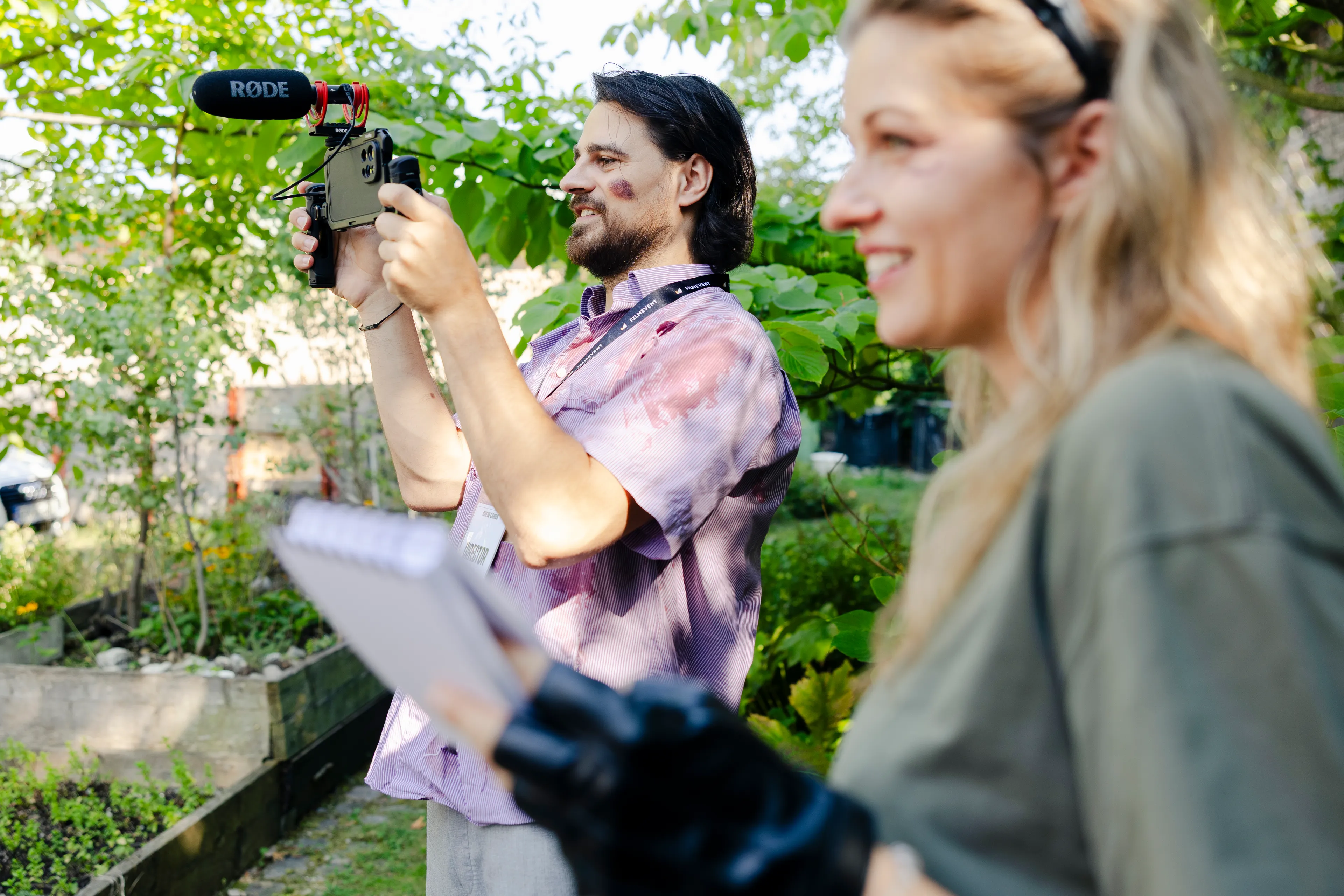
The trend in large-group events is moving away from "put everyone in one room and hope interaction happens" towards small units with clear tasks. That's standard at a Filmevent: multiple crews work in parallel, each with its own dynamic, and at the end everything comes together at the premiere. That gives every person the experience of a small group and at the same time the sense of being part of a larger whole.

Other formats recognise this trend and try to mimic it. At large-group workshops participants get sent into breakout sessions, at sports events multiple stations run in parallel, at theme events there are multiple tracks. That works to varying degrees of success, depending on whether the parallel parts actually get brought back to a shared climax - or whether at the end everyone just stands at the buffet without a shared narrative having emerged.

Technology you don't notice

AI and smart tools are becoming part of events, but in the background. Nobody wants a demo, nobody wants a workshop on generative AI as a team event. What works: technology that removes friction in the background and creates more time for the actual thing. At a Filmevent the technical magic happens after the shoot - automated editing, AI-assisted post-production, colour grading. The crew focuses on the creative part, the tech delivers the speed.

This trend towards invisible technology isn't only visible at Filmevents. Other formats lean on smartphone-based apps, automated task evaluation, live translation for international teams. What counts isn't the tech itself but what it enables for participants: faster entry, less waiting, more active time.

Sustainability as a hard criterion

By 2026 ESG isn't a PR topic anymore, it's a selection criterion in booking decisions. Travel-intensive outdoor events to far-off resorts are looked at more critically, local venues and avoidable flights come under scrutiny. Creative formats have an advantage here too: a Filmevent in a Swiss hotel with local catering has a much smaller footprint than an adventure weekend in the mountains or a helicopter-based skytour event.

Anyone planning for 2026 should honestly weight this factor. Not because it's politically expected, but because more employees are paying attention and assessing the event accordingly. A format that works without unnecessary overhead and without long travel gets a structural head start in 2026.

What stays, what goes

What stays: the shared experience, the format with clear roles, the emotional bond through creative work. What goes: pure entertainment without participation, adrenaline tourism for homogeneous groups, agenda items without an anchor the next day. The shift isn't radical, but it's perceptible - and teams booking in 2026 ask different questions than they did two years ago. Whoever picks up that shift, as provider and as client, builds events that not only carry the day but also the quarter that follows.

ROLL CAMERA

Get your team event without commitment.

Send us a quick note with the key details of your occasion. We get back to you within 4 hours with a first price overview and show you which team event format fits you best.

+41 76 345 60 22 mail@filmevent.ch

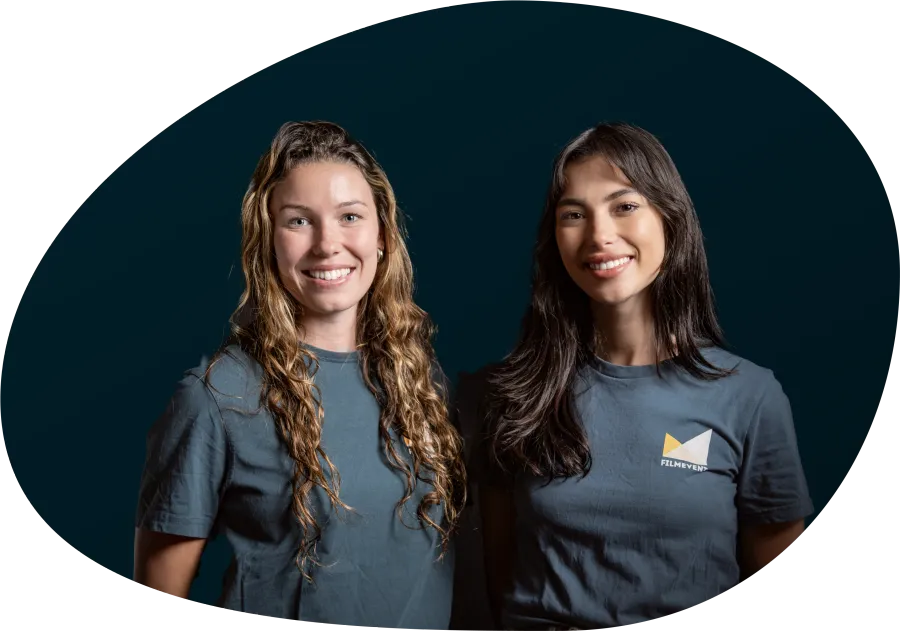
Sarina & Sarah

Sarina und Sarah von Filmevent

Request a free offer

Within 4 hours you receive a first price overview and an idea of which Filmevent variant fits your occasion - free and without commitment.

Group size