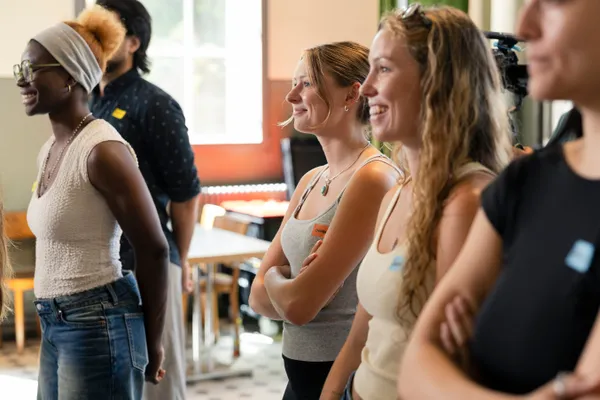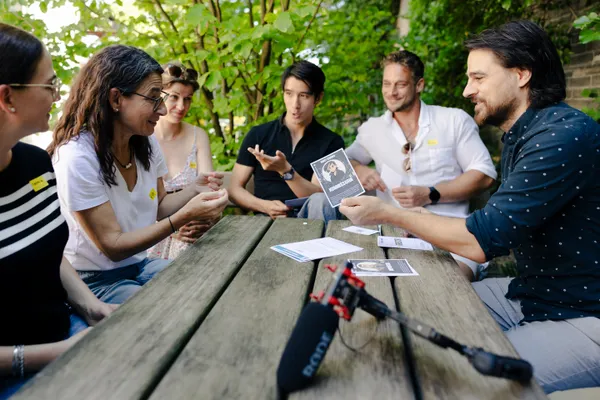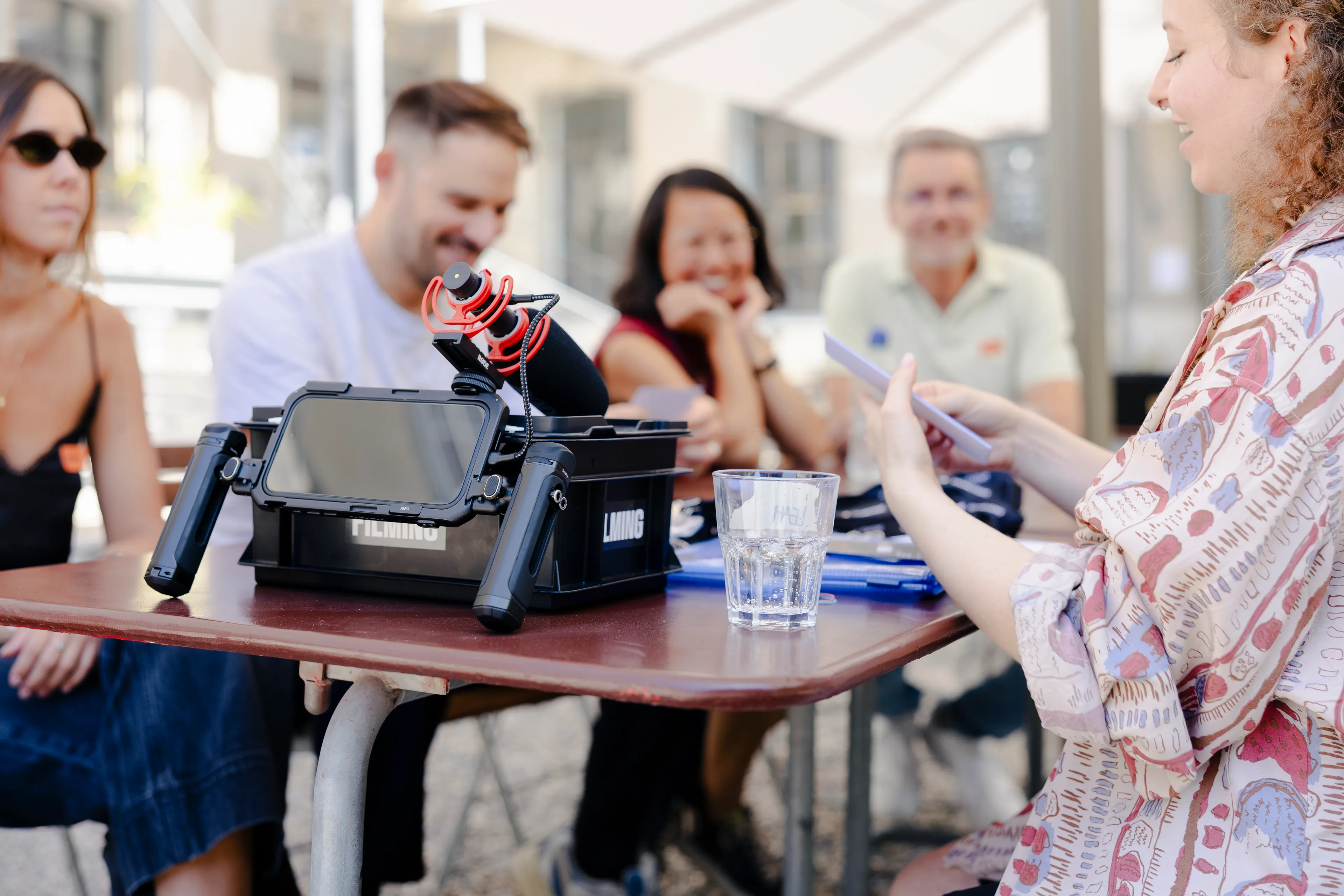
In any team there are the loud ones and the quiet ones. Those who start talking immediately, and those who watch first. Those who enjoy being centre-stage, and those who prefer to shape things from the second row. Both types are equally valuable, both move the team forward, both belong at every company event. The only question is whether the format actually involves both - or whether it tips one-sided.
In practice most team events do tip. Classic formats reward visibility: whoever talks is seen, whoever joins in is read as engaged. The quieter people aren't excluded but they aren't drawn in either. They sit at the edge, smile politely and feel relieved when it's over. From a leadership perspective that looks like successful team building. From the quiet half's perspective it was an obligatory date.
Why classic formats favour extroverts
Most team event classics run on a single success metric: who makes themselves visible? At an improv theatre session that means getting on stage. At a scavenger hunt it means shouting your hints loudly. At a quiz it means knowing the answer first. Anyone who doesn't do this naturally stays in the background. That isn't personal, that's the logic of the format.
Around 30 to 40 per cent of the workforce in a typical Swiss company identifies as more introverted. These aren't outliers, they're often the people who do the detail work in daily routines, who take notes in meetings, who keep projects together quietly. If the team event turns precisely them into extras, something is fundamentally off.
Film crews are a proven solution
A film set has been for a hundred years the model that structurally treats introverted and extroverted characters as equals. Acting is visible, directing too, but camera, screenplay, continuity, lighting, sound and production are equally essential - and they require exactly the qualities that often go unnoticed in open-plan offices: concentration, detail orientation, quiet observation.
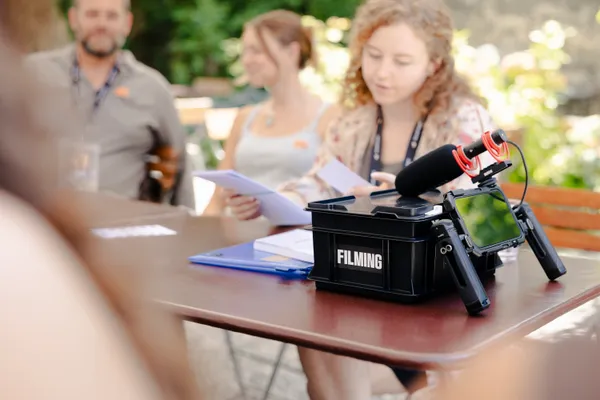
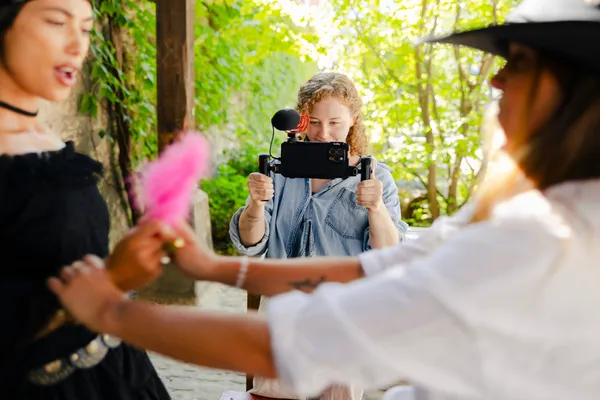
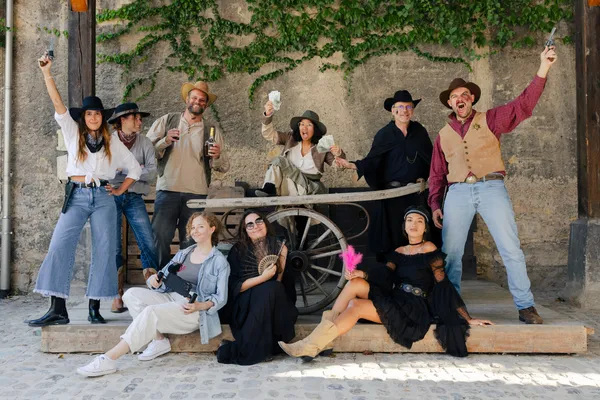
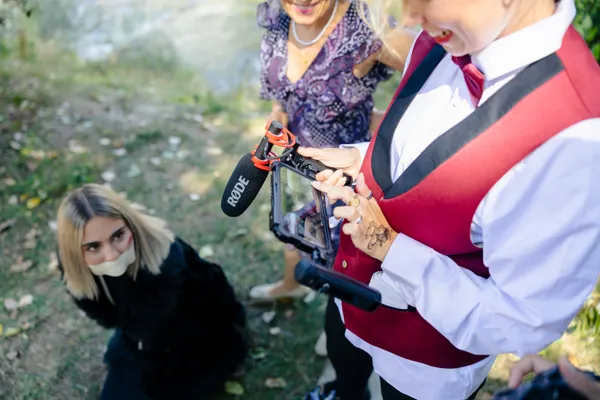
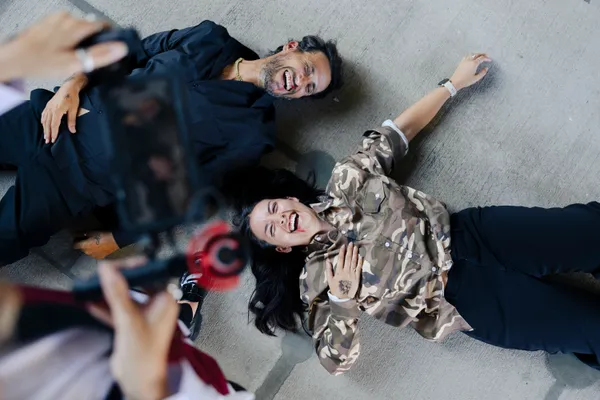
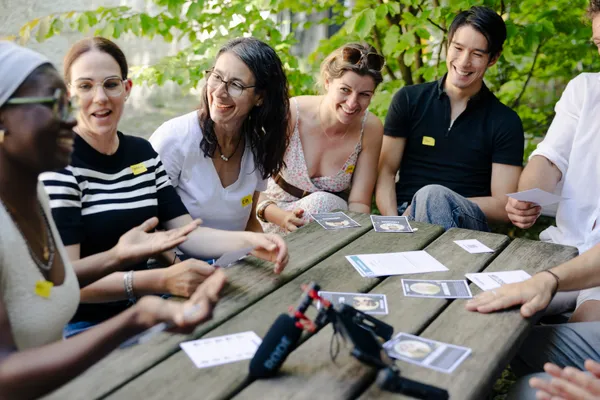
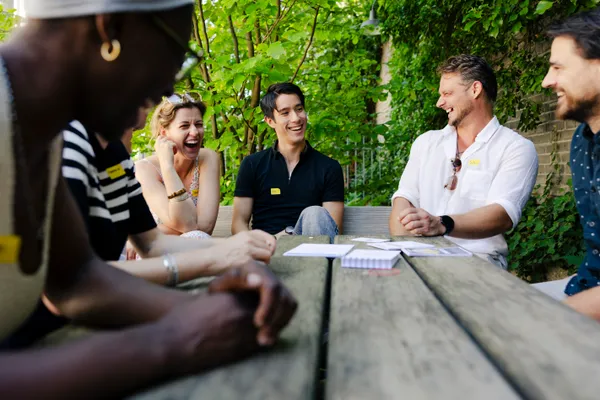
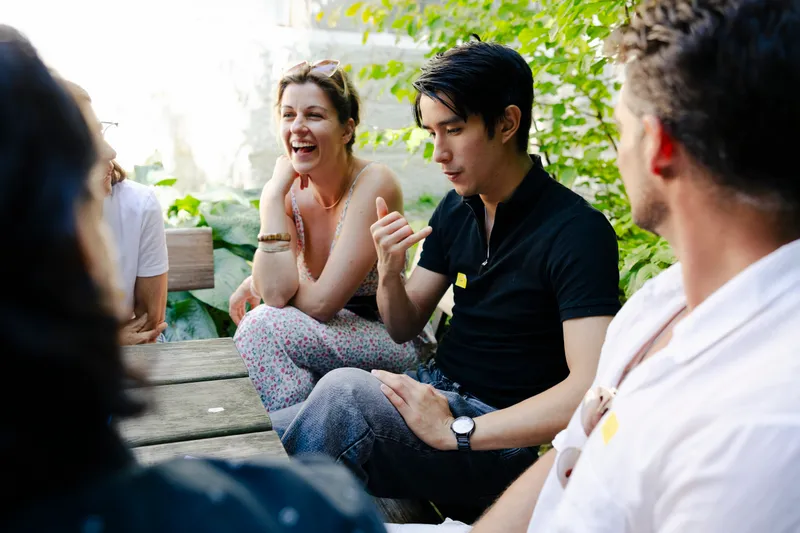
At a Filmevent every person picks their role from this spectrum. Whoever enjoys performing goes in front of the camera. Whoever wants to keep an overview takes directing. Whoever prefers to shape things from behind goes for camera or set. Whoever loves structure handles production. Nobody is pushed into a role that doesn't fit. That sounds obvious, but with most team event formats it simply isn't true.
The script removes the improv pressure
A common worry among quieter participants before a Filmevent: we're supposed to act now, on camera, in front of colleagues, without preparation? That would be the ultimate stress test. Exactly for this reason every crew works with a pre-written script and a finished shot list. What gets said and acted out is fixed. What emerges in the staging is teamwork, not spontaneous performance.
This safety is the difference between a format that scares introverts and one that lets them step in creatively. And it's the reason Filmevents work in teams where otherwise hardly anyone would "voluntarily get on a stage".